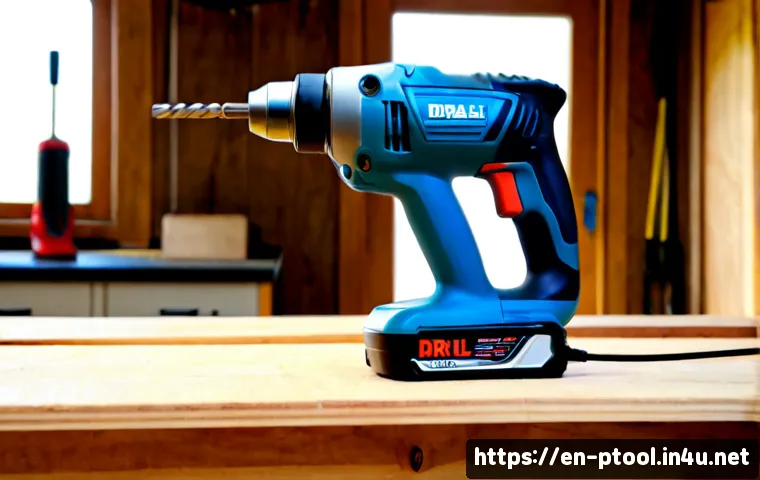
Learn what makes power tools quieter, from brushless motors and vibration damping to blade choice and workspace setup. Compare practical upgrades, safety trade-offs, and when buying a lower-noise tool makes financial sense.
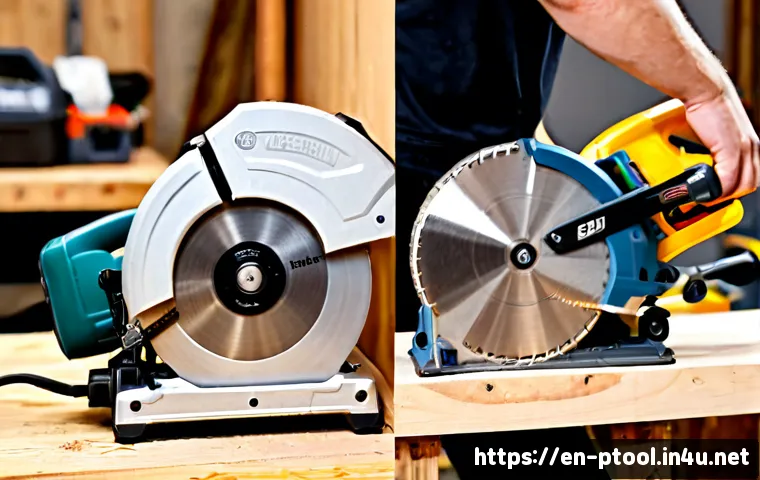
A quieter power tool usually comes from a mix of better tool design, the right accessory, and a stable workspace. Start by fixing the loudest source before paying for a premium upgrade.
For occasional projects, sharp blades, secure supports, and basic vibration control can be the best value. For frequent use, a brushless cordless platform or contractor-grade tool may be worth considering for smoother operation and reduced fatigue.
Actual noise varies with the tool, material, accessory condition, maintenance, and where the sound is measured. Hearing protection may still be necessary even when a tool is marketed as quieter.
At a Glance
- Buy a quieter tool when the motor, gearbox, or overall tool design is the main source of noise.
- Upgrade accessories and setup first when cutting contact, vibration, rattling, or poor work support is causing the problem.
- Keep hearing protection in the plan because a quieter claim does not confirm suitability for every task or workspace.
| Upgrade Path | Main Noise Source Addressed | Compatibility Consideration | Best Fit |
|---|---|---|---|
| Maintenance and sharp accessories | Friction, chatter, heat, worn parts | Match the blade, bit, disc, or pad to the tool and material | Occasional DIY and quick improvements |
| Anti-vibration pads and work supports | Rattling, resonance, bench vibration | Check workbench stability and workpiece clearance | Shared garages and indoor projects |
| Better cutting accessories or dust extraction | Cutting contact, airflow, debris movement | Confirm accessory size, arbor, hose, and tool fit | Regular workshop use |
| Brushless cordless or contractor-grade tool | Motor behavior, power delivery, gearbox vibration | Review battery platform, charger, service, and repair support | Frequent trade work and long-term upgrades |
The Fast Answer: Reduce Noise at the Tool, Accessory, and Workspace Level
The most practical approach is to identify whether the noise comes from the motor, cutting contact, airflow, or vibration. A premium quiet-tool upgrade can help when the tool itself is harsh or rough-running. But a noisy cut is often caused by a dull blade, an unsuitable bit, excessive pressure, or a workpiece that is free to vibrate.
Start With the Loudest Source: Motor, Cutting Contact, Airflow, or Vibration
Listen for the character of the sound. A steady high-pitched sound may point to motor or airflow noise. A harsh scraping or squealing sound can suggest cutting contact, heat, or an accessory that does not suit the material. Rattling often comes from an unsecured workpiece, loose support, or a bench that is resonating.
Make one change at a time. Replace or inspect the accessory, secure the material, and check for loose parts before assuming a full tool replacement is required.
When Hearing Protection Is Still Necessary
Noise reduction is not the same as hearing safety. A lower-noise tool can improve comfort in a garage, renovation area, or occupied building, but it may still require hearing protection depending on the task and local workplace rules. Check the manufacturer guidance for the tool and accessory, and follow applicable jobsite requirements.
What Makes a Power Tool Quieter?
Quieter operation usually comes from smoother power delivery, better control of vibration, and accessories that cut cleanly instead of fighting the material. No single feature makes every tool quiet across every job.
Brushless Motors, Electronic Speed Control, and Smoother Power Delivery
Brushless motors are often considered when comparing cordless tools because they can provide smoother power delivery and may reduce some mechanical noise compared with a rough-running brushed design. Electronic speed control can also help the tool operate more consistently when the workload changes.
That does not mean every brushless model will sound quieter in every application. A saw cutting dense material with the wrong blade, for example, can still be the loudest part of the setup. Compare the complete tool system, not only the motor label.
Gear Quality, Housing Design, and Vibration Isolation
Gear design, housing fit, grip materials, and internal vibration isolation can affect how much vibration reaches the user and surrounding surfaces. A well-built housing may feel less harsh even when the tool is under load. This matters for contractor-grade equipment used repeatedly through the day.
However, external vibration can overwhelm those design benefits. A stable bench, firm work support, and properly secured material remain important with any tool.
Why Blades, Bits, Discs, and Worn Bearings Can Dominate the Sound
A worn or unsuitable accessory can create noise that is louder than the motor. Dull cutting edges increase friction. A damaged disc can vibrate. A poorly matched bit can chatter. Worn bearings or loose components may also change the sound and feel of a tool.
Before shopping for a replacement power tool, inspect the items that touch the material. Use accessories intended for the tool type and the material being cut, drilled, sanded, or ground.
Compare Noise-Reduction Upgrades by Cost and Value
The best value is usually the upgrade that addresses the actual cause of the noise without creating a new compatibility problem. A lower-cost adjustment can be enough for weekend work, while daily users may benefit more from a dependable cordless platform and service support.
Low-Cost Fixes: Maintenance, Sharp Accessories, Work Supports, and Anti-Vibration Pads
Start with basic maintenance. Keep compatible cutting accessories in good condition, check for loose fasteners, and avoid using damaged components. A stable work support can prevent the material from drumming against a bench or floor.
Anti-vibration pads can be useful beneath a bench-mounted tool, a work support, or a surface that transmits vibration into the building. They do not replace correct tool use, but they can reduce rattling in shared spaces.
Mid-Range Upgrades: Better Blades, Quieter Shop Vacuums, and Enclosed Work Areas
A better blade, bit, sanding pad, or abrasive may produce a cleaner cut with less chatter. The right shop vacuum setup can also make a workspace more comfortable when dust collection is part of the work, although airflow and vacuum sound should be considered as part of the full noise picture.
An enclosed or separated work area may limit how far sound travels, but it should not interfere with safe tool operation, visibility, dust control, or ventilation. Avoid improvised enclosures that trap heat or restrict access to the workpiece.
Higher-Investment Options: Premium Cordless Tools and Contractor-Grade Equipment
A premium cordless tool may make sense when you use it frequently, work around clients or occupants, or need a smoother tool for long sessions. Look beyond the initial purchase. Consider the battery platform, charger availability, replacement batteries, repair options, and compatible accessories.
Contractor-grade tool selection can also be about uptime. A tool that is easier to service and supported by readily available accessories may be more practical than one chosen only for a quiet-product claim.
Practical Steps That Reduce Noise Without Reducing Cut Quality
Good technique often lowers noise while improving the finish. The goal is not to force the tool to sound softer; it is to let the accessory do its intended work with stable support and appropriate control.
Match Speed, Accessory Type, and Pressure to the Material

Use the accessory designed for the material and tool. Apply controlled pressure rather than forcing the cut, drill, grind, or sanding pass. Excess pressure can create heat, vibration, and a louder, rougher sound.
If the tool begins to chatter, squeal, or bog down, stop and check the setup. Continuing can worsen the cut quality and increase wear on the accessory.
Secure the Workpiece to Prevent Rattling and Resonance
A loose board, pipe, panel, or metal piece can act like a speaker. Secure the workpiece with appropriate clamps or supports and make sure offcuts are supported where needed. Also inspect the workbench, sawhorses, and nearby loose objects that may vibrate during the task.
Avoid Common Mistakes That Increase Heat, Vibration, and Noise
Common problems include using a dull blade, choosing an incompatible accessory, cutting unsupported material, pushing too hard, and overlooking loose components. Another mistake is treating every loud sound as a motor issue. The loudest source may be the material, the accessory, or the surface beneath the work.
Choose the Right Approach for Home Workshops, Shared Spaces, and Job Sites
The right purchase decision depends on how often you work, who is nearby, and how much disruption a noisy setup causes. A practical solution for a homeowner may differ from the best choice for a busy renovation crew.
Occasional DIY Work Near Neighbors
For occasional DIY users, begin with sharp accessories, a stable work surface, and basic vibration control. These changes may reduce nuisance noise without requiring a new cordless platform. Plan louder tasks for reasonable times and keep the workspace organized so loose items do not rattle.
Indoor Renovation and Occupied Buildings
Indoor work near occupants calls for attention to both sound and vibration. Select accessories that cut cleanly, secure materials carefully, and consider dust extraction where appropriate. A quieter tool can be helpful, but it should not override task suitability, safe operation, or building requirements.
Frequent Trade Use Where Uptime and Operator Comfort Matter
For frequent trade work, a quieter premium tool may be easier to justify when it improves operator comfort, reduces repeated vibration, or works within an existing battery ecosystem. Check battery compatibility, tool service availability, and replacement accessory costs before standardizing on a platform.
Selection Criteria and Comparison Summary
Choose a quieter power tool upgrade by checking these points before you buy:
- Primary noise source: Is the problem the motor, the cut, airflow, or vibration?
- Frequency of use: Will a premium cordless or contractor-grade tool be used often enough to justify the investment?
- Battery platform: Are batteries and chargers compatible with tools you already own or plan to add?
- Accessory availability: Can you easily obtain suitable blades, bits, discs, pads, and replacement parts?
- Service support: Is repair availability practical for your location and type of work?
- Workspace needs: Will work supports, anti-vibration pads, and hearing protection still be part of the setup?
Compare tool noise ratings, battery platform costs, and replacement accessory prices before upgrading. For official details, check the manufacturer’s product page, compatibility guidance, and service conditions.
Closing Thoughts
Quiet power tool setups are usually built, not bought in one step. Start with the accessory, the workpiece support, and basic maintenance before replacing a tool that may still be suitable. If the motor, gearbox, or overall build is the real issue, a brushless or contractor-grade upgrade can be a reasonable next move. The best choice is the one that fits the task, the workspace, and the long-term tool system you want to maintain.
Useful Things to Know
Accessory condition matters. A sharp, compatible accessory can reduce chatter and improve cut quality.
Vibration travels. A noisy bench or loose material may be disturbing others more than the tool itself.
Platform cost is broader than the tool. Batteries, chargers, repairs, and replacement accessories affect the long-term value of cordless tools.
Important Notes
Actual sound levels vary by tool type, model, material, accessory, maintenance condition, and measurement distance. A quiet-product claim does not establish that a tool is suitable for a specific jobsite or hearing-protection requirement. Verify purchase cost, battery compatibility, repair availability, and local workplace rules before choosing a tool or changing a work method.
Frequently Asked Questions
Q1. Are brushless power tools noticeably quieter than brushed models?
A1. Brushless tools can offer smoother power delivery and may reduce some motor-related noise, but the difference depends on the specific tool and job. The blade, bit, disc, material, work support, and tool condition can have a larger effect on the sound you hear.
Q2. Is it cheaper to buy a quieter tool or reduce noise with better blades and vibration-control accessories?
A2. For many occasional users, starting with maintenance, suitable sharp accessories, secure supports, and anti-vibration solutions is the more practical first step. A quieter premium tool becomes more compelling when the existing tool is the main noise source or when frequent use makes comfort, uptime, and battery-platform compatibility more important.
Q3. What is the safest way to reduce power tool noise in a garage or shared workspace?
A3. Secure the workpiece, use compatible accessories in good condition, avoid excessive pressure, and reduce vibration from benches and loose objects. Keep hearing protection in your setup when required or appropriate, and check local rules or workplace requirements for the type of work being performed.