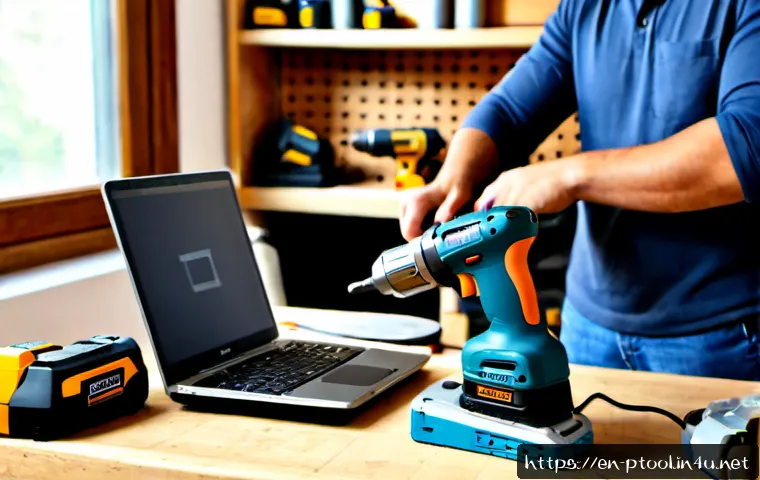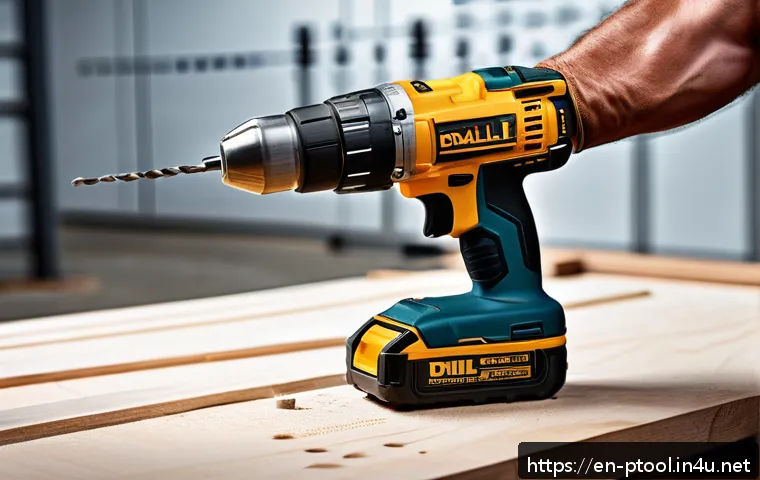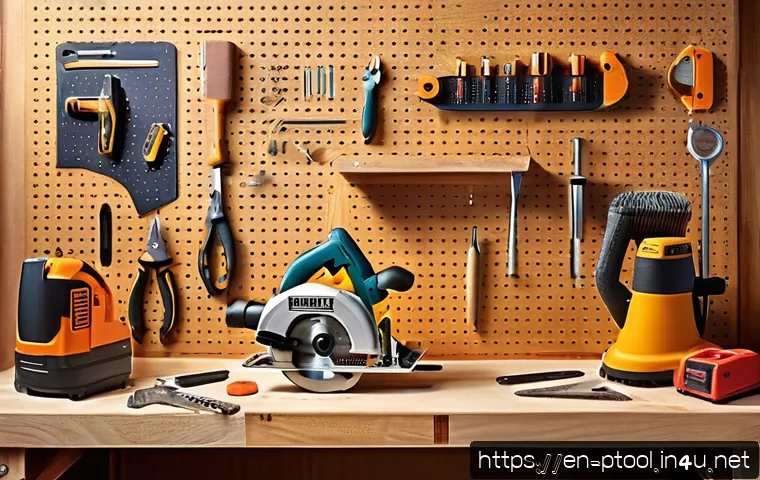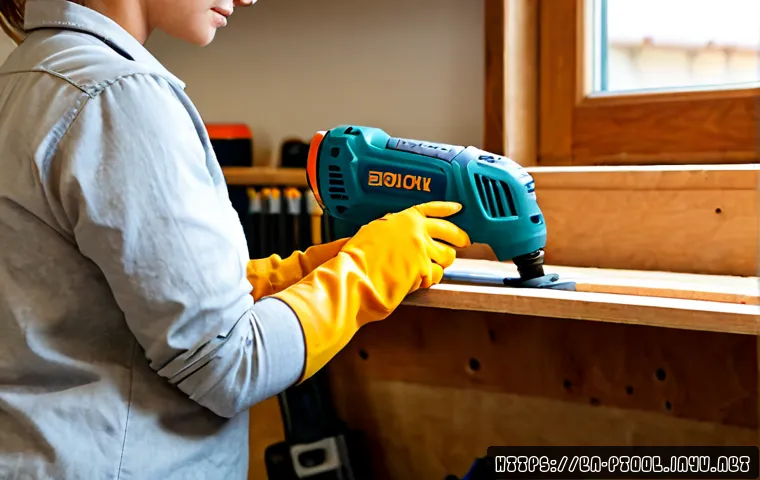
For most first-time home DIY buyers, a compact cordless drill/driver is the best first purchase. Choose one on a battery platform that feels balanced in your hand and suits the projects you actually plan to do.
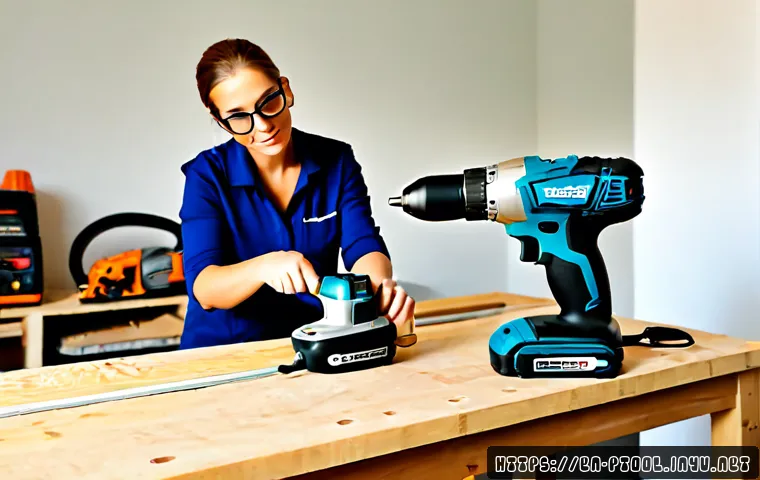
It can handle common tasks such as furniture assembly, pilot holes, shelf installation, and everyday repairs when paired with the right bits. The best tool is not defined by gender; grip comfort, trigger reach, weight, and control matter far more.
Before comparing cordless tool kits, look beyond the headline price and check batteries, charger type, compatible tools, and warranty coverage. A smaller tool can be easier to manage, but it still needs enough capability for your materials and fastening jobs.
At a Glance
- Best first tool: A compact cordless drill/driver is a practical starting point for common home repairs and furniture projects.
- Best value check: Compare the full battery system, included batteries, charger, and warranty—not only the tool price.
- Best comfort rule: Choose a tool you can hold, control, and operate confidently for the length of your typical project.
| Tool Type | Best For | Comfort Factors to Compare | Kit and Upgrade Value |
|---|---|---|---|
| Compact cordless drill/driver | Furniture assembly, pilot holes, shelves, household repairs | Grip shape, trigger reach, balance, clutch control | A strong first purchase when the battery fits future tools |
| Impact driver | Long screws and repeated fastening | Weight, vibration, bit changes, control during fastening | Useful add-on if frequent fastening is planned |
| Oscillating multi-tool | Small cutting, trimming, scraping, and detail work | Vibration, grip position, accessory changes | Worth considering for renovation tasks, not always as a first tool |
| Orbital sander | Preparing wood surfaces and refinishing projects | Vibration, hand position, dust-control design | Best added when sanding becomes a regular project need |
The Best First Power Tool for Most Home DIY Projects
Start with a compact cordless drill/driver for furniture, shelving, and everyday repairs
A compact cordless drill/driver is usually the most flexible first power tool for home DIY. It can drill pilot holes and drive screws into wood, drywall, and other light-duty household materials. That makes it useful for assembling furniture, installing hardware, hanging shelves, and handling many small repairs.
Look for a drill/driver with a comfortable grip, a trigger you can reach without shifting your hand, and a balanced feel with the battery attached. A compact model can be easier to control in cabinets, closets, and other tight spaces. Still, compact does not automatically mean it has enough power for every project, so match the tool to the materials and fasteners you expect to use.
Choose fit and balance over assumptions about who the tool is designed for
There is no single “women’s power tool” category that guarantees better results. The useful question is: Does this tool fit your hand and your project? Grip diameter, trigger reach, tool weight, balance, and vibration can all affect comfort and fatigue.
If possible, hold a display model at a local tool retailer. Check whether you can comfortably wrap your hand around the grip, use the trigger, and keep the tool steady with the battery installed. A tool that looks lightweight may still feel front-heavy or awkward during overhead work.
When an impact driver or corded tool is worth the extra cost
An impact driver delivers high rotational force and is often more effective than a drill/driver for long screws or repeated fastening. It can be a sensible second purchase for projects involving lots of screws, such as larger wood assemblies or outdoor work.
A corded tool may also deserve consideration when a project needs sustained use or more demanding capability. Do not buy extra equipment simply because it comes in a large bundle. Start with the tasks on your list, then add tools when a real project creates a clear need.
Compare Tool Types, Battery Systems, and Kit Value Before Buying
Drill/driver vs. impact driver vs. oscillating multi-tool vs. orbital sander
Each tool solves a different problem. A drill/driver is the broadest choice for a beginner. An impact driver is more focused on driving fasteners. An oscillating multi-tool can help with small cuts, trimming, scraping, and detail work. An orbital sander is designed for surface preparation and refinishing.
For a first purchase, avoid treating a tool kit as a checklist of tools you “should” own. Instead, ask which tool will save time on the next several projects. A drill/driver often earns that place first because drilling and screw-driving appear in many household jobs.
Compact tools, mid-range kits, and professional options: where the price difference matters
When comparing cordless tool kits, the most visible difference may be the number of tools in the box. That is not always the best measure of value. A smaller kit with a useful drill/driver, compatible batteries, a charger, and clear warranty coverage may be more practical than a larger kit filled with tools you will not use.
Compare price versus performance through the work you expect to do. Frequent renovation, dense lumber, and repeated fastening may justify a higher-capability model. For occasional furniture assembly and household repairs, a comfortable homeowner-focused drill/driver may be the better fit. Current kit contents, local prices, and warranty terms should always be checked before purchase.
Battery voltage, amp-hours, chargers, and the cost of expanding a tool platform
A cordless tool kit is also an entry into a battery platform. Battery voltage, amp-hour rating, included batteries, charger type, and warranty terms all affect practical value. If multiple compatible tools use the same batteries and chargers, expanding your collection later may be simpler and may reduce future equipment costs.
Before choosing a platform, check whether the kit includes the battery or batteries needed for your first project. Then look at the tools you may realistically add later. Also compare replacement battery availability, charger compatibility, and the exact warranty conditions rather than assuming all products in a brand lineup receive the same coverage.
Comfort and Safety Features That Matter in Daily Use
Grip diameter, trigger reach, weight, and balance
Comfort is a performance feature. A tool that is difficult to grip or control can make straightforward work feel tiring. Focus on grip shape, trigger reach, battery placement, and overall balance. These details matter especially for users with smaller hands, limited grip strength, or little previous tool experience.
Try holding the tool in the positions your project requires. For example, shelf installation may involve working at chest height, while furniture assembly often means reaching into corners. A slightly larger battery may change the balance, so evaluate the complete setup rather than the bare tool alone.
Variable speed, clutch settings, work lights, and bit changes
Features that support control can make a first cordless drill/driver easier to use. Variable speed helps you start more carefully. Clutch settings can help manage screw-driving force. A work light can improve visibility in cabinets or dim corners, while simple bit changes make it easier to move between drilling and fastening.
These features do not replace practice. Start with spare material when possible, use the correct bit, and test your speed and pressure before working on a finished surface.
Essential safety checks before drilling, sanding, or cutting
Use eye protection, choose appropriate drill bits or accessories, and support the workpiece securely. Before drilling into a wall, check for hidden wiring or plumbing. Keep hands clear of moving parts and avoid working from an unstable position.
Read the specific product instructions for the tool and accessory you purchase. A cordless tool can feel approachable, but it still requires careful setup and attention during use.
Choose Tools by Project, Not by Marketing Labels
Furniture assembly and hanging shelves

For furniture assembly, a compact drill/driver is often the most useful option, especially when many screws are involved. Use the correct driver bit and avoid overtightening. For shelves, pilot holes and appropriate mounting hardware matter as much as the drill itself.
Do not assume every wall or shelf project has the same requirements. Check the wall type, mounting instructions, and the support needed for the item being installed.
Small repairs, cabinetry, and light renovation
Small repairs and cabinetry work may benefit from a drill/driver first, followed by an oscillating multi-tool or sander only when the project calls for them. A multi-tool can be helpful for detail tasks, while a sander becomes more relevant for surface preparation.
Buying tools one project at a time can keep the total cost under control. It also gives you time to learn what feels comfortable before committing to a large cordless tool kit.
Deck work, dense lumber, and projects that may justify higher torque
Long screws, repeated fastening, dense lumber, and larger outdoor projects may justify an impact driver or a higher-torque option. These jobs place different demands on a tool than furniture assembly or light repairs.
Check current model specifications and independent testing if your project requires more capability. A compact homeowner tool may be comfortable and useful, but it should not be expected to handle every demanding task.
Common Buying Mistakes and How to Avoid Them
Purchasing a large kit before identifying actual projects
A large bundle can appear to offer better value, yet unused tools do not improve your DIY setup. Write down the next few projects first. If a drill/driver solves most of them, start there and expand later.
Ignoring battery compatibility and replacement-battery pricing
Do not compare only the price printed on a cordless tool kit. Check battery compatibility, what batteries are included, the charger type, and the cost and availability of replacement batteries. These details affect the long-term value of the platform.
Choosing the lightest option without checking durability or capability
Low weight can improve comfort, but it is only one factor. The lightest tool may not be the best choice if it does not suit your material, fastening needs, or expected frequency of use. Balance weight against control, battery system value, and the work you need to complete.
Selection Criteria and Comparison Summary
Before choosing, compare fit in your hand, expected project demands, battery and charger compatibility, included kit contents, and warranty coverage. Check whether the drill/driver has the control features you value, such as variable speed and clutch settings. Consider whether an impact driver is truly needed now or would be a better future upgrade. Compare kit contents, battery compatibility, and warranty before choosing. For current specifications, bundle details, and warranty conditions, review the official product page or ask a local tool retailer for a hands-on comparison.
Final Thoughts
The best cordless power tool setup starts with the work you plan to do, not a marketing label. A compact drill/driver on a useful battery platform is often a capable, comfortable starting point for home DIY. Prioritize control and fit, then build your collection as projects become more demanding. Taking a few minutes to compare batteries, chargers, and warranty terms can prevent an expensive mismatch later.
Useful Things to Know
1. A drill/driver and an impact driver are not interchangeable for every task.
2. A battery platform can matter more over time than the number of tools in the first kit.
3. The right bit, secure workpiece support, and eye protection are basic parts of safe tool use.
4. Hands-on handling can reveal grip and balance issues that product photos do not show.
Important Notes
Tool specifications, battery runtime, kit contents, prices, stock availability, repair support, and warranty conditions vary by model and location. Your hand size, grip strength, experience, and planned materials also affect the right choice. Check current manufacturer information and compare the specific tool model before purchasing.
Frequently Asked Questions
Q1. What is the best first power tool for a beginner doing home repairs?
A1. A compact cordless drill/driver is often the best first tool because it can drill pilot holes and drive screws for furniture assembly, shelving, and many everyday household repairs.
Q2. Are compact cordless drills powerful enough for furniture assembly and shelves?
A2. They are commonly used for furniture assembly, pilot holes, and shelf-related tasks in wood, drywall, and light-duty household materials. Check the planned materials, fasteners, and current tool specifications for your specific project.
Q3. Is it better to buy a cordless tool kit or individual tools?
A3. A starter kit can make sense when it includes a drill/driver, compatible battery or batteries, and a charger you will use. Individual tools may be better when you only need one tool or already own compatible batteries and a charger.
Q4. What should I check to make sure a power tool feels safe and comfortable to use?
A4. Check grip shape, trigger reach, weight, balance, vibration, and whether you can hold the tool steadily with the battery attached. Use eye protection, secure the workpiece, select the correct bit, and check for hidden wiring or plumbing before drilling.
Q5. How much should a beginner expect to spend on a reliable cordless drill and battery kit?
A5. Prices vary by location, brand, kit contents, battery capacity, charger type, and warranty coverage. Compare the current total cost of the tool, batteries, charger, and future battery-platform expansion rather than relying on a single advertised price.