In today’s fast-paced world, efficiency and precision are more important than ever across various industries. Whether it’s construction, automotive repair, or home improvement, power tools have become indispensable in boosting productivity and ensuring high-quality results.

With the latest advancements in technology, professionals now rely on these tools to save time and reduce physical strain. If you’ve ever wondered which careers lean heavily on power tools to get the job done right, you’re in the right place.
Let’s dive into the top professions where power tools are game-changers and discover why they matter so much in today’s work environment.
Crafting Precision in Wood and Metalwork
Carpenters: Molding Structures with Power
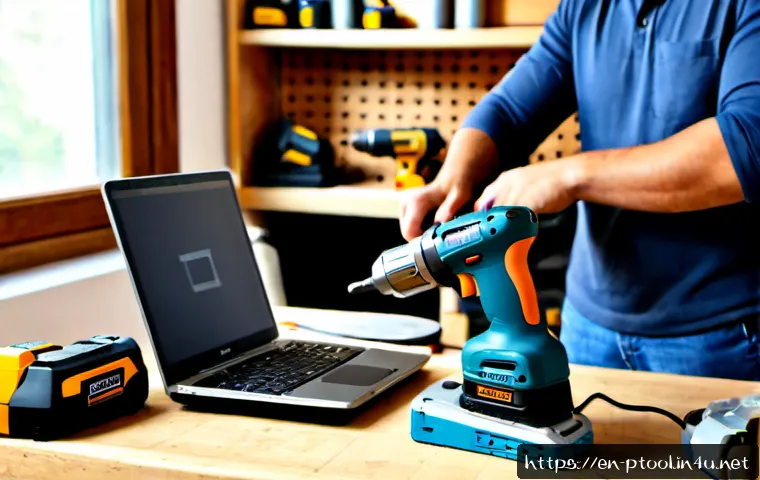
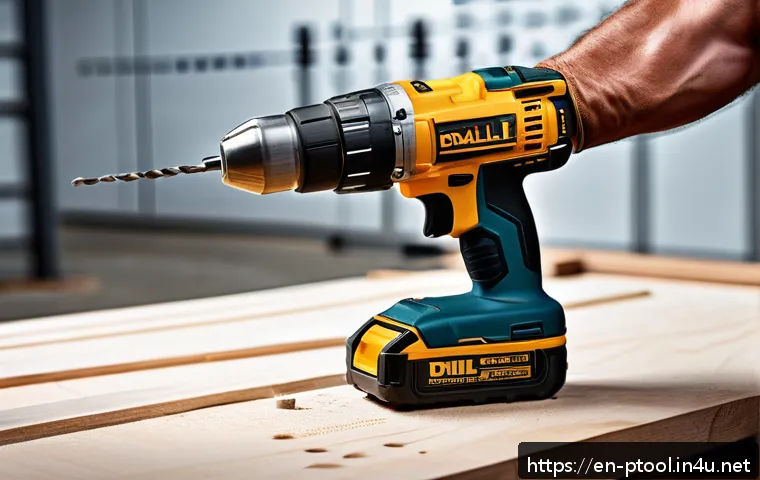
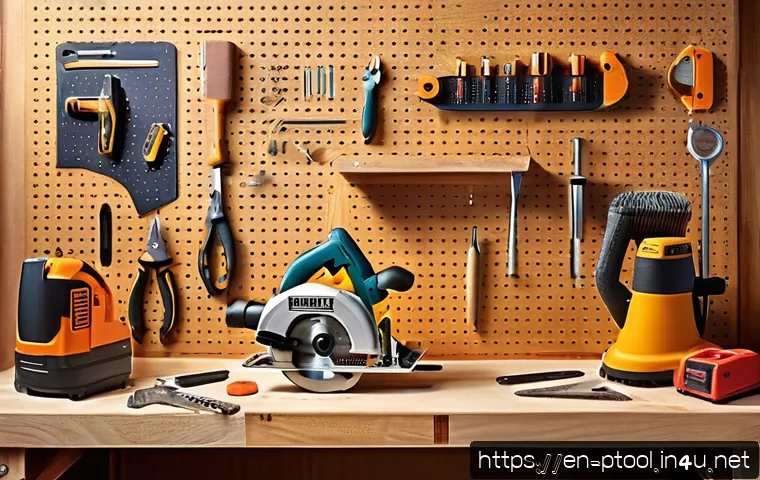
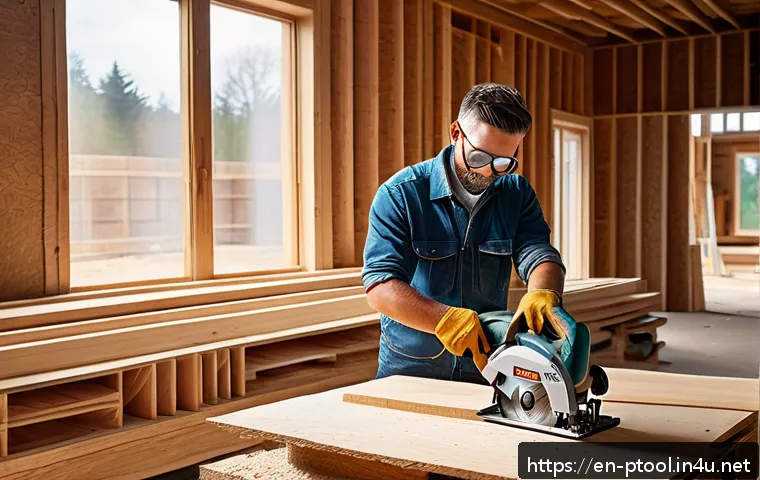
Carpenters have long been the backbone of construction, shaping raw wood into intricate frameworks and stunning finishes. These days, power tools like cordless drills, nail guns, and circular saws have revolutionized their workflow.
From framing a house to installing cabinetry, the precision and speed offered by these tools are unmatched. Personally, when I shadowed a carpenter friend on a remodel job, I noticed how the power tools reduced the time spent on each cut and fastening, letting them focus more on the artistry of the build rather than just brute labor.
The ergonomic designs also lessen fatigue, which is crucial on long, demanding projects.
Metalworkers and Fabricators: Shaping Strength Efficiently
Metalworkers rely heavily on power tools such as angle grinders, plasma cutters, and power drills to bend, cut, and join metal components precisely. I once visited a fabrication shop where I saw firsthand how these tools enabled workers to produce flawless metal parts quickly.
The precision of power tools also ensures structural integrity, which is non-negotiable in industries like automotive manufacturing or aerospace. Without these tools, the repetitive manual labor would not only slow production but increase the risk of injury and errors.
Furniture Makers: Blending Craftsmanship with Technology
For furniture makers, power tools like routers, sanders, and jigsaws are essential to create smooth finishes and intricate designs. I’ve tried hand sanding a chair before, and while it’s satisfying, it’s incredibly time-consuming compared to using a power sander.
Power tools allow these artisans to spend more time perfecting their designs and less time on the repetitive tasks, boosting both quality and output.
Accelerating Repairs and Maintenance
Automotive Technicians: Precision Under the Hood
Automotive technicians have embraced power tools such as impact wrenches, ratchets, and diagnostic scanners to diagnose and fix vehicles quickly. Watching a mechanic replace a tire with an impact wrench is a clear example of how power tools cut down hours of labor to minutes.
The efficiency not only benefits the shop’s bottom line but also improves customer satisfaction with faster turnaround times. I recall a visit to a busy repair shop where these tools were indispensable during peak hours, helping mechanics juggle multiple tasks with ease.
HVAC Technicians: Streamlining Complex Installations
Heating, ventilation, and air conditioning (HVAC) professionals depend on power tools like drills, pipe cutters, and multimeters to install and service systems efficiently.
I’ve seen technicians navigate tight spaces with cordless tools, making installations smoother and less physically taxing. These tools help ensure precise fittings and secure connections, which are vital for system reliability and safety.
Electricians: Power Tools for Safety and Speed
Electricians use power tools such as wire strippers, drills, and conduit benders to manage electrical installations and repairs. The precision these tools provide minimizes the risk of faulty wiring, which can have serious safety implications.
I remember a job where an electrician explained that without power tools, running conduit in commercial buildings would be a grueling, error-prone process.
Enhancing Home Improvement and Renovation
DIY Enthusiasts: Making Projects Manageable
For homeowners tackling their own renovations, power tools like cordless drills, jigsaws, and sanders have become game-changers. When I started a small kitchen upgrade, investing in a good power drill made all the difference.
Instead of struggling with manual screwdrivers, I was able to assemble cabinets and fixtures quickly, which kept my motivation high throughout the project.
These tools make DIY approachable and fun, even for beginners.
Landscapers and Gardeners: Efficiency Outdoors
Landscaping pros use power tools such as hedge trimmers, chainsaws, and leaf blowers to maintain large properties efficiently. I once helped a landscaper clear overgrown bushes, and the power tools made a task that could have taken hours into something manageable within an afternoon.
These tools reduce physical strain while delivering professional results.
Painting Contractors: Speeding Up Surface Preparation
Painting professionals rely on power sanders and sprayers to prepare and finish surfaces quickly. I spoke with a contractor who shared how power sanders cut his prep time in half, allowing him to take on more jobs without compromising quality.
The even finishes achieved with these tools also enhance the final look, ensuring customer satisfaction.
Table of Power Tools Across Professions
| Profession | Common Power Tools | Primary Benefits | Typical Tasks |
|---|---|---|---|
| Carpenters | Cordless drills, nail guns, circular saws | Speed, precision, reduced fatigue | Framing, cabinetry, trim work |
| Automotive Technicians | Impact wrenches, ratchets, diagnostic scanners | Efficiency, fast repairs, accuracy | Tire changes, engine repairs, diagnostics |
| Electricians | Wire strippers, drills, conduit benders | Safety, speed, precision | Wiring, conduit installation, troubleshooting |
| Furniture Makers | Routers, sanders, jigsaws | Detail, smooth finishes, time-saving | Cutting, shaping, finishing wood |
| Landscapers | Chainsaws, hedge trimmers, leaf blowers | Physical ease, speed, professional results | Pruning, clearing, lawn care |
Precision and Safety in Electrical and Mechanical Trades
Plumbers: Power Tools for Tight Spaces
Plumbers often work in cramped, hard-to-reach areas where precision is essential. Power tools like pipe cutters, cordless drills, and inspection cameras have transformed their daily tasks.
I remember watching a plumber use a cordless drill with a right-angle attachment to work under a sink—it was impressive how the tool’s design allowed access without contorting his body painfully.
This not only speeds up installations but helps prevent workplace injuries.
Machinists: Crafting Components with High Accuracy
Machinists depend on power tools such as CNC machines, grinders, and lathes to produce parts with tight tolerances. The technology behind these tools demands skill and knowledge, which machinists develop through years of training.
I once toured a machine shop where the operators explained how the precision of power tools directly impacts the quality of everything from automotive parts to aerospace components.

The ability to repeat exact measurements is a huge advantage over manual methods.
Roofers: Durable Results Through Powerful Tools
Roofers rely on pneumatic nailers, power saws, and drills to install roofing materials efficiently. I’ve seen how these tools reduce the physical toll of roofing work, which is already demanding due to weather exposure and awkward positions.
Using power tools allows roofers to maintain a steady pace, ensuring that installations meet safety standards and last through harsh conditions.
Creative Fields Embracing Power Tools for Innovation
Artists and Sculptors: Expanding Creative Boundaries
Artists working with wood, metal, or stone often use power tools like grinders, sanders, and rotary tools to shape their creations. I spoke with a sculptor who described how power tools let him experiment with textures and forms that would be impossible by hand.
These tools open up new possibilities for artistic expression and reduce the physical barriers to large-scale projects.
Set Designers and Builders: Meeting Tight Deadlines
In film and theater, set designers rely on power tools to build elaborate and safe sets quickly. I had the chance to visit a theater workshop where power tools sped up the assembly of stage props and backdrops.
The ability to cut, drill, and fasten materials rapidly is essential when working under tight production schedules, and these tools help balance creativity with efficiency.
Jewelry Makers: Precision Meets Technology
Jewelry makers use miniature power tools like rotary grinders and polishers to achieve intricate detail work. From my conversation with a jeweler, I learned how these tools help maintain consistency and fine detail, which is crucial in creating pieces that are both beautiful and durable.
Power tools in this field blend craftsmanship with technological support, elevating the art to new heights.
Industrial and Construction Efficiency Boosters
Heavy Equipment Operators: Supporting Power Tool Usage
While heavy machinery does much of the heavy lifting, operators often use power tools like impact wrenches and drills for maintenance and assembly of equipment parts.
I was surprised at how frequently these tools come into play during routine checks or quick fixes on-site. Their reliability directly impacts uptime and safety.
Construction Laborers: Versatility Through Power
Construction laborers use a wide variety of power tools depending on the project phase—from demolition using jackhammers to finishing with power sanders.
I’ve observed how power tools help these workers switch tasks efficiently, keeping projects on schedule. Their durability and ease of use are essential on tough job sites.
Welders: Precision Joining with Power Assistance
Welders combine power tools like grinders and plasma cutters with welding equipment to prepare and join metal components. The accuracy of these tools affects the strength and appearance of welds, which is vital in everything from infrastructure to manufacturing.
I recall a welding class where students learned how mastering these tools improved their overall craftsmanship and safety awareness.
In Conclusion
Power tools have transformed the way professionals across various trades work, combining precision with efficiency. From construction to creative arts, these tools not only save time but also enhance the quality of the finished product. Experiencing their impact firsthand reveals how essential they are in today’s fast-paced and demanding environments. Embracing power tools means embracing innovation, safety, and craftsmanship all at once.
Useful Information to Know
1. Power tools reduce physical strain and fatigue, allowing workers to maintain productivity during long hours.
2. The precision offered by modern power tools improves the overall quality and durability of projects.
3. Using power tools can significantly speed up complex tasks, helping meet tight deadlines without sacrificing safety.
4. Investing in ergonomic and cordless power tools enhances mobility and ease of use, especially in confined or awkward spaces.
5. Understanding the right tool for each profession and task is crucial for maximizing efficiency and minimizing errors.
Key Takeaways
Power tools are indispensable across a wide range of industries, enabling professionals to work smarter rather than harder. Their benefits go beyond speed; they improve safety, precision, and project quality. Selecting the appropriate power tools tailored to specific tasks helps ensure consistent results and reduces the risk of injury. For anyone involved in hands-on work, mastering these tools is a vital step toward greater craftsmanship and efficiency.
Frequently Asked Questions (FAQ) 📖
Q: uestionsQ1: Which professions rely most heavily on power tools for daily tasks?
A: Trades such as construction workers, electricians, plumbers, and automotive technicians are among the top professionals who depend on power tools every day.
For example, carpenters use drills and saws to create precise cuts, while electricians use wire strippers and power drills to install wiring efficiently.
These tools not only speed up work but also improve accuracy and safety, which are critical in these fast-paced environments.
Q: How do power tools improve efficiency and reduce physical strain in the workplace?
A: Power tools take over the most physically demanding parts of a job, like drilling through tough materials or lifting heavy objects repeatedly. From my own experience working alongside professionals, using a cordless drill or an impact wrench drastically cuts down the time needed to complete tasks, allowing workers to focus on finer details rather than exhausting manual labor.
This not only boosts productivity but also reduces fatigue and the risk of injury.
Q: Are there safety concerns when using power tools, and how can professionals mitigate these risks?
A: Absolutely, power tools can be dangerous if not handled properly. Common risks include cuts, electric shocks, and flying debris. To stay safe, professionals always wear protective gear like gloves, goggles, and ear protection, and follow manufacturer guidelines carefully.
Regular maintenance and using the right tool for the job also play a crucial role in preventing accidents. From what I’ve seen, companies that invest in safety training see fewer workplace injuries and higher overall job satisfaction.