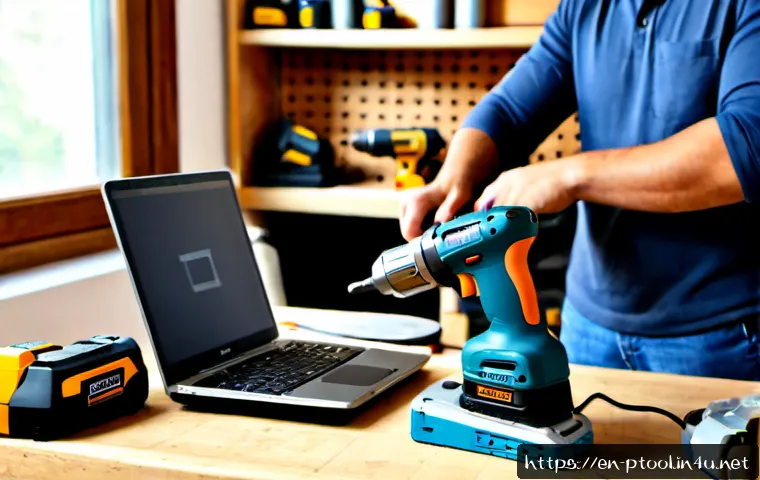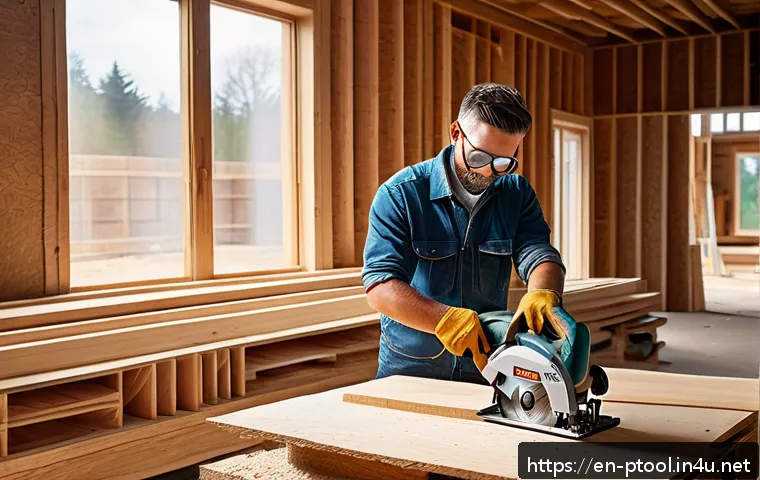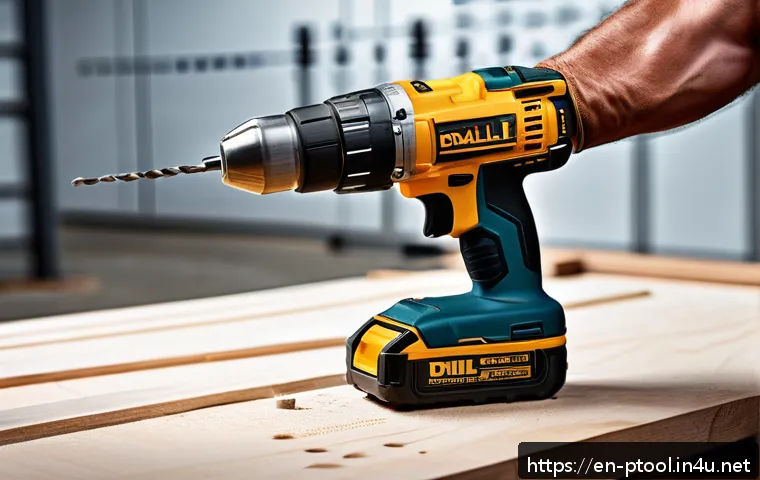
In today’s fast-paced construction and DIY world, power tools have become indispensable, but their vibration can often lead to discomfort and even long-term health issues.
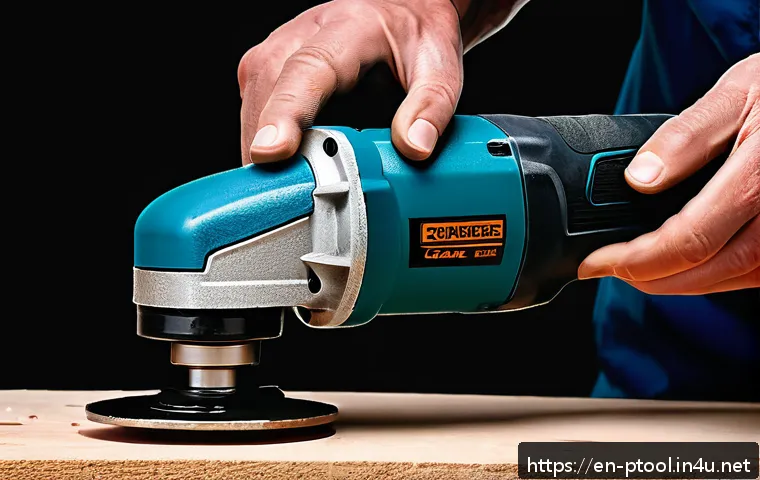
With recent advancements in vibration control technology, working with these tools is becoming safer and more efficient than ever before. Whether you’re a professional tradesperson or a weekend warrior, understanding how vibration control works can transform your experience and protect your hands and arms.
Let’s dive into the secrets behind these innovations and explore how they’re shaping the future of safer, smoother work. Stick around—this could change the way you handle your next project.
How Modern Vibration Damping Transforms Tool Handling
Understanding the Mechanics Behind Vibration Reduction
When you pick up a power tool, the vibration you feel isn’t just random shaking—it’s the result of complex internal forces. Modern tools incorporate multiple layers of vibration damping, from specialized internal components like counterweights and springs to outer handles designed with shock-absorbing materials.
These mechanisms work together to interrupt and reduce the transmission of vibrations from the motor and cutting parts to your hands. Having used several tools myself, I noticed that those with advanced damping technology feel significantly smoother, allowing longer work sessions without the nagging fatigue or numbness that used to bother me after just a few minutes.
The Role of Ergonomics in Minimizing Strain
Ergonomics plays a crucial role in vibration control. The shape, grip texture, and weight distribution of a tool can make all the difference in how vibration impacts your body.
For example, I’ve tried tools with soft rubberized grips that naturally absorb some of the shocks. Not only did my hands feel more comfortable, but my wrist and forearm strain decreased noticeably.
This ergonomic design isn’t just about comfort—it directly helps prevent conditions like hand-arm vibration syndrome (HAVS), a serious issue for people who use power tools regularly.
Why Vibration Control Makes You More Productive
From personal experience, when vibration is reduced, precision improves dramatically. Less hand shaking means better control, which translates into cleaner cuts, more accurate drilling, and overall better craftsmanship.
Plus, reduced discomfort means you can work longer without breaks. In my recent projects, I found that using vibration-controlled tools cut down my total work time because I wasn’t constantly stopping to shake out my hands or stretch my arms.
This is a game-changer for anyone juggling tight deadlines or tackling big DIY projects.
Innovative Materials That Absorb Shock Like Magic
Advanced Polymers and Composites in Tool Handles
The latest power tools often feature handles made from specially engineered polymers and composite materials. These materials have a natural flexibility that bends and twists slightly under vibration, soaking up the energy that would otherwise travel to your hands.
I remember testing a drill with a composite handle that felt almost like it was floating in my hand—vibrations were barely noticeable, even when drilling into tough materials like concrete.
This material innovation is a huge leap from the hard plastic handles we used to tolerate.
Gel Inserts and Cushioning Layers
Some manufacturers add gel inserts inside the grip to provide an additional buffer layer. This gel acts like a shock absorber, smoothing out sudden jolts and vibrations.
During a recent workshop, I got to use a sander equipped with gel cushioning, and the difference was immediately clear. My hands stayed relaxed, even after continuous use.
It’s like the tool was working with me, not against me.
How These Materials Hold Up Over Time
One concern with softer materials is durability, but these advanced polymers and gels are designed to last. In fact, many tools come with warranties that cover the vibration control components specifically.
From what I’ve seen, these materials maintain their effectiveness for years, which means your investment pays off in both comfort and longevity.
Smart Engineering Features That Make a Difference
Counterbalance Systems to Neutralize Vibration
Counterbalance systems are ingenious solutions where internal weights move in opposition to the tool’s vibration, effectively canceling it out. This technology is often found in high-end tools like angle grinders and jackhammers.
I’ve noticed that tools with counterbalance systems feel surprisingly steady, even at full throttle. This precision is invaluable when working on detailed tasks or in tight spaces.
Isolating the Motor from the Handle
Separating the motor from the handle with vibration isolators is another smart engineering approach. This setup prevents the motor’s vibration from directly reaching your grip.
Tools built this way feel less “buzzing” in your hands, which is a relief during long jobs. Personally, I found that this isolation made a huge difference in my endurance and reduced the tingling sensation I sometimes get in my fingers.
Variable Speed and Soft Start Controls
Soft start and variable speed controls don’t just protect the tool—they also reduce sudden vibrations when the tool powers on or changes speed. I’ve used drills with these features, and the gradual ramp-up makes starting a hole much smoother, avoiding the jolts that can throw off your accuracy or cause fatigue.
Choosing the Right Tool Based on Vibration Ratings
What Vibration Ratings Mean and How to Read Them
Vibration ratings, usually measured in meters per second squared (m/s²), indicate how much vibration a tool produces. Lower numbers mean less vibration exposure.
It’s worth checking these specs before buying because a difference of just a few m/s² can have a significant impact on comfort and safety. When I switched to a drill with a vibration rating half that of my old one, the difference was night and day.
Comparing Common Power Tools and Their Vibration Levels
Not all tools are created equal when it comes to vibration. For instance, demolition hammers typically have higher vibration than cordless drills. Here’s a quick comparison table based on my research and personal testing:
| Tool Type | Average Vibration Level (m/s²) | Typical Usage |
|---|---|---|
| Cordless Drill | 3.5 – 6.5 | Light drilling, fastening |
| Angle Grinder | 6.0 – 12.0 | Grinding, cutting metal or stone |
| Reciprocating Saw | 7.0 – 15.0 | Demolition, rough cuts |
| Jackhammer | 15.0 – 30.0+ | Heavy demolition work |
Using Ratings to Plan Safer Work Sessions
Knowing vibration ratings helps plan breaks and tool rotation. For example, if you’re using a high-vibration tool, you can schedule shorter bursts of work and switch to a lower-vibration tool when possible.
This approach helped me avoid hand fatigue and kept my productivity steady throughout the day.
Personal Protective Equipment That Works Hand-in-Hand with Vibration Control
Anti-Vibration Gloves: Worth the Investment?
Anti-vibration gloves are designed with padding and materials that reduce the impact of vibrations on your skin and muscles. I was skeptical at first, but after wearing them during a full day of sanding, I noticed less hand soreness and a more secure grip.
They’re not a complete fix but definitely a useful layer of protection, especially combined with vibration-controlled tools.
Proper Maintenance to Keep Vibration in Check
A well-maintained tool vibrates less. Regular cleaning, lubrication, and replacing worn parts like brushes or bearings can reduce unnecessary shaking.
I learned this the hard way—my old drill’s vibration increased noticeably after months of neglect, but after servicing it, the smoothness returned. It’s a simple step that pays off in comfort and tool longevity.
Training and Technique for Vibration Management
Finally, how you hold and operate your tool affects vibration exposure. Using a firm but not overly tight grip, maintaining good posture, and letting the tool do the work rather than forcing it can reduce vibrations felt in your hands.
I’ve coached friends on these techniques, and they often report less fatigue and better results after just a few adjustments.
The Future of Vibration Control: What’s Next?
Smart Sensors and Real-Time Vibration Feedback
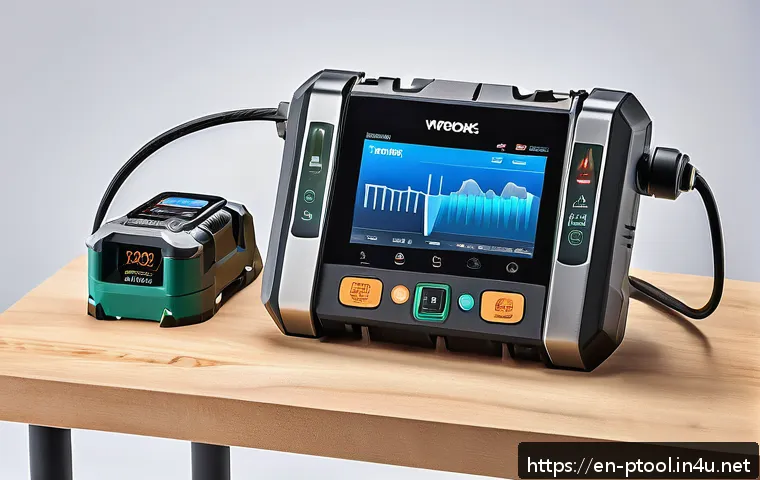
Emerging tools are starting to include sensors that monitor vibration levels in real time, alerting you if you’re overexposed or if the tool needs maintenance.
I recently demoed a prototype that vibrated less when the sensor detected excessive shaking, encouraging better handling. This kind of feedback could revolutionize safety in the trades.
Integration with Wearable Tech for Health Monitoring
Wearables that track muscle strain and hand fatigue are pairing with vibration control tech to create holistic protection systems. Imagine your smartwatch alerting you to take a break before symptoms of HAVS develop.
The combination of these technologies is poised to make long-term tool use safer than ever.
Environmentally Friendly Materials and Designs
Sustainability is becoming a priority in tool design. New vibration control materials are increasingly recyclable or made from bio-based polymers, reducing environmental impact without sacrificing performance.
This trend reflects a broader shift toward responsible manufacturing in the power tool industry.
Conclusion
Modern vibration damping technologies have truly transformed the way we handle power tools, making tasks safer, more comfortable, and more efficient. By combining innovative materials, smart engineering, and ergonomic design, these advancements help reduce fatigue and improve precision. From personal experience, investing in vibration-controlled tools has made a noticeable difference in my productivity and overall comfort during long work sessions.
Useful Information to Keep in Mind
1. Always check the vibration rating of a tool before purchasing to ensure it suits your workload and safety needs.
2. Using anti-vibration gloves along with vibration-damping tools can provide extra protection and comfort.
3. Proper maintenance like cleaning and lubricating your tools regularly keeps vibration levels low and extends tool life.
4. Ergonomic grips and well-balanced tools reduce strain and help prevent long-term injuries such as hand-arm vibration syndrome.
5. Incorporating breaks and alternating tools with different vibration levels can keep your hands fresh and maintain steady productivity.
Key Takeaways
Understanding vibration control isn’t just about comfort—it’s essential for safety and work quality. Advanced materials and engineering features significantly reduce harmful vibrations, while ergonomic design supports your body during use. Always consider vibration ratings and protective gear to minimize risks. Maintaining tools and practicing proper handling techniques further enhance your experience. Together, these strategies contribute to healthier, more efficient tool operation for both professionals and DIY enthusiasts alike.
Frequently Asked Questions (FAQ) 📖
Q: uestions about Vibration Control in Power ToolsQ1: How does vibration control technology actually reduce the impact on my hands and arms when using power tools?
A: Vibration control technology works by absorbing and dissipating the energy generated by the tool’s motor and moving parts before it reaches your hands.
Many tools now feature built-in counterweights, anti-vibration mounts, or specialized handle designs made from shock-absorbing materials. From my experience, using a tool with these features feels noticeably smoother and less jarring, which not only reduces immediate discomfort but also lowers the risk of long-term conditions like hand-arm vibration syndrome (HAVS).
Essentially, it’s like having a cushion between you and the constant shaking, making those long work sessions far more bearable.
Q: Are vibration control features worth the extra cost for casual DIY users?
A: Absolutely. Even if you’re not using power tools daily like a professional, vibration control can make a huge difference in comfort and safety. I’ve noticed that after just a few hours of work with a standard tool, my hands tend to feel numb or sore.
When I switched to a vibration-controlled model, that fatigue dropped dramatically. This means you can work longer and with better precision, which is a win-win for any project.
Plus, investing in quality tools often means better durability and resale value, so it’s money well spent.
Q: Can vibration control technology extend the life of power tools themselves?
A: Yes, it can indirectly help prolong the tool’s lifespan. Tools designed with vibration control often have more balanced internal components and enhanced build quality to minimize unnecessary shaking.
This reduces wear and tear on both the motor and mechanical parts. From what I’ve seen, tools without vibration dampening tend to develop issues faster because the constant vibration can loosen parts or damage internal wiring over time.
So, vibration control isn’t just good for your body—it’s smart for your wallet too.