Buy into a power tool system, not just the lowest-priced individual tool. A bundle can make sense for a first purchase, while a bare tool is often the better value only when you already own compatible batteries and a charger.
Compare the complete checkout cost, including batteries, accessories, delivery, return terms, and warranty support. Voltage labels are useful reference points, but they do not tell the full performance story.
For occasional DIY work, a simple kit or corded model may be practical; frequent users may place more value on battery availability and service support.
Taking a few minutes to verify the listing can prevent an incompatible or incomplete purchase.
At a Glance
- Buy the battery platform first: cordless batteries are commonly brand-specific, so compatibility matters before buying a bare tool.
- Compare full-kit cost: a low tool price may exclude the battery, charger, blades, bits, delivery, or return-related costs.
- Verify the listing: check seller identity, condition, included items, return terms, and manufacturer warranty eligibility.
| Decision Point | What to Compare | Best Fit |
|---|---|---|
| First cordless purchase | Battery platform, charger, useful tools, warranty support | DIY starter kit when the included tools will all be used |
| Adding one tool | Exact battery compatibility and bare-tool contents | Bare tool for owners of the same compatible system |
| Heavy or repeated work | Tool design, motor type, battery capacity, service options | Higher-duty cordless or corded equipment |
| Seller protection | Return window, restocking fees, damage process, warranty handling | Listings with clear written terms |
The Quick Answer: Buy the Tool System, Not Just One Tool
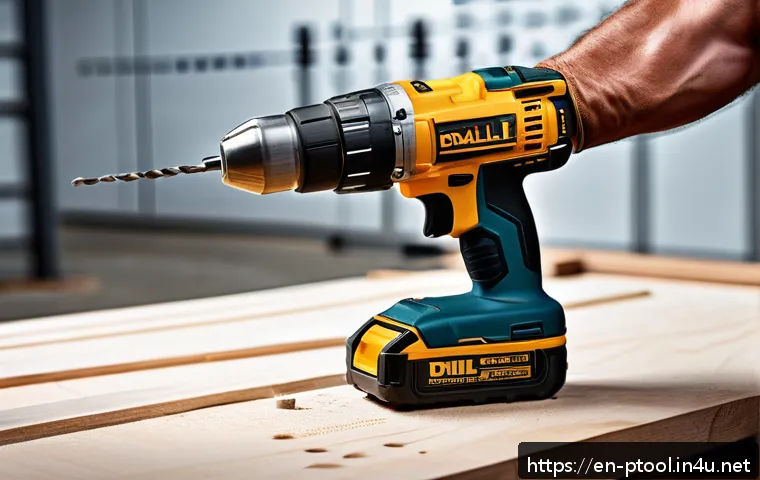
The most cost-effective online power tool purchase often starts with the tools you expect to add later. A cordless drill may be the first purchase, but future needs can include a driver, saw, sander, grinder, or outdoor tool. If those tools use the same battery platform, you may avoid repeatedly paying for batteries and chargers.
Start with your projects, materials, and how often you will use the tool
List the jobs you actually expect to do. Hanging shelves, assembling furniture, and occasional repairs may call for a different buying approach than frequent cutting, fastening, sanding, or workshop projects. Consider the material, the expected workload, and whether you need portability. Do not assume that a tool suited to light household work will match the demands of repeated use.
Choose between corded power, cordless convenience, and a first battery platform
Cordless tools offer convenient movement around a home, garage, or job area. Corded tools can be worth considering when access to power is easy and you do not want battery charging or platform commitments. For a first cordless purchase, compare starter kits carefully because they may establish the battery system you use for future tools.
Three checks to make before adding any listing to your cart
First, confirm whether the product is a bare tool or a complete kit. Second, read the included-items section for batteries, charger, case, blades, bits, guards, and other accessories. Third, check who is selling the item and how returns, shipping damage, and warranty claims are handled.
Compare Online Listings by Total Cost, Not the Headline Price
A retailer price comparison should focus on the total purchase cost, not only the number beside the product image. Two listings for what appears to be the same tool can have very different included components, seller terms, and warranty coverage.
Bare tool vs. kit: when a lower price is not actually cheaper
A bare tool generally means the tool is sold without a battery and charger. It can be a smart purchase if you already own compatible batteries in good condition and have a suitable charger. If you do not, adding those items separately may change the value comparison. A kit may cost more upfront but can be more practical when it contains the exact tools and batteries you need.
Battery capacity, charger type, blades, bits, and required accessories
Check whether the listing states the battery capacity and charger type, but also look beyond those details. A saw may need an appropriate blade, a drill may need bits, and a grinder or sander may require task-specific accessories. Include those items in your comparison before treating any bundle as a bargain.
Delivery charges, sales tax, returns, and extended protection plans
Delivery charges, regional sales tax, return windows, restocking fees, and extended warranty or protection-plan terms can vary. Read the terms before checkout rather than assuming every online seller follows the same process. An extended protection plan should be evaluated separately from the manufacturer warranty, including what it covers and who handles a claim.
Comparison table: DIY starter kit, expansion tool, and trade-use purchase
| Purchase Route | What Makes It Valuable | What to Watch |
|---|---|---|
| DIY starter kit | Includes a battery, charger, and commonly needed tools | Unused tools, duplicate batteries, unclear accessory list |
| Expansion bare tool | Uses batteries you already own in the same system | Exact platform compatibility and tool-only status |
| Trade-oriented purchase | May prioritize repeated-use design and service support | Whether the tool capacity fits the actual workload |
How to Read Power Tool Specifications Without Overpaying
Specifications help narrow choices, but one prominent number should not decide the purchase. Use them to compare tools intended for similar tasks, then confirm the full system and listing details.
Battery platform compatibility and why it affects future costs
Battery compatibility can affect the cost of every tool you buy afterward. Check the manufacturer’s stated platform compatibility for the specific listing, not just the brand name or a similar-looking battery. Tool lines can differ, and the exact product page should identify the supported battery system.
Brushless vs. brushed motors for typical home and workshop use
Brushless motors are commonly marketed for improved efficiency and reduced maintenance compared with brushed designs. That does not automatically make every brushless option the right choice. For occasional work, the better decision may depend on the tool’s design, price, included kit components, and how often it will be used.
Match drill, driver, saw, grinder, and sander specifications to the task
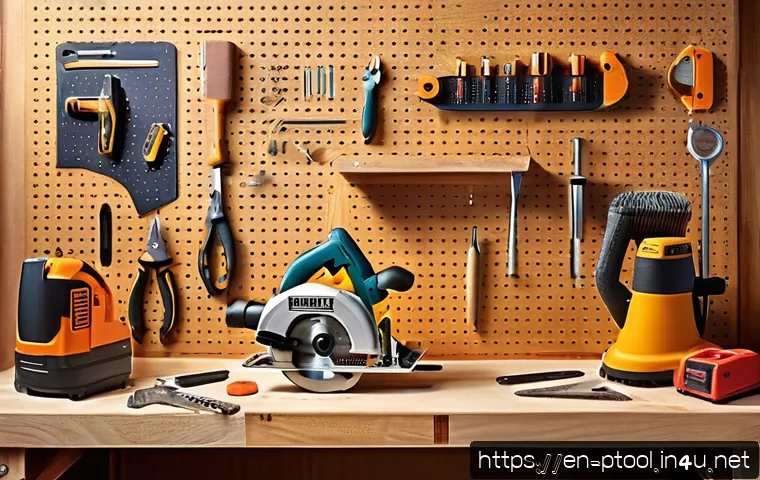
Match the category to the work rather than buying a broad bundle by default. A drill, impact driver, saw, grinder, and sander perform different jobs and may need different accessories. Consider your materials, project frequency, safety requirements, and whether the tool’s stated capacity suits the intended task.
Avoid judging performance by voltage labels alone
Voltage alone does not fully describe real-world performance. Motor type, battery capacity, tool design, and workload also affect results. Use voltage as one comparison point, then read the complete specifications and intended-use description.
Check the Seller, Condition, Warranty, and Return Process
Online marketplaces can include listings sold by third-party sellers rather than the marketplace operator. This makes seller verification as important as the tool specification.

New, refurbished, open-box, and used: what to verify in each listing
Confirm the stated condition and do not infer it from product photos alone. Check whether the listing identifies the item as new, refurbished, open-box, or used. Review included accessories, packaging details, cosmetic condition notes, and whether any original components are missing.
Authorized seller status, serial numbers, and manufacturer warranty eligibility
If manufacturer warranty support matters, verify whether the seller is authorized and whether the specific item is eligible. Warranty eligibility can depend on the listing, condition, seller, and documentation. Keep your order confirmation and any information needed for product registration or support.
Return-window details and how to document delivery damage
Read the return window before ordering, especially for heavier equipment. If a package arrives damaged, document the packaging and item promptly, then follow the seller’s stated shipping-damage procedure. Check whether return shipping or restocking fees may apply.
Warning signs of incomplete, misleading, or unusually risky listings
Use caution when the condition is vague, the included items are not clearly listed, the seller terms are hard to find, or warranty language is unclear. An unusually low headline price is not enough information to judge value. Compare the full description with official product details where available.
Choose the Right Buying Route for Your Situation
First-time DIY buyer building a basic tool kit
A starter kit can simplify a first cordless purchase if every included item fits planned projects. Prioritize a useful battery platform, a charger, and tools you expect to use. Avoid paying extra for a large bundle filled with duplicates or tools that will remain unused.
Homeowner adding a compatible tool to an existing battery system
If you already own compatible batteries and a charger, a bare tool may offer the cleanest value. Confirm exact compatibility first. Also check whether your existing batteries are appropriate for the tool and workload you have in mind.
Frequent user who may benefit from higher-duty tools and service support
Frequent users may place greater weight on tool construction, battery availability, warranty handling, and access to support. Compare professional-grade equipment on the details that affect repeated use, not just bundle size or voltage labels.
When renting a specialty tool may cost less than buying it
For a one-time specialty job, renting may be worth comparing with ownership. This is especially useful when a tool is unlikely to be used again, requires specialized accessories, or would take up storage space after the project.
Selection Criteria and Comparison Summary
Before checkout, compare the full kit cost, not just the tool price. Confirm the battery platform, tool condition, included accessories, seller identity, return procedure, and warranty eligibility. Ask whether every bundle item will be used, whether a bare tool truly works with your existing batteries, and whether a corded model or rental better suits the job. Compare warranty support and replacement-battery availability before committing to a cordless platform. For final details, review the official product information and the seller’s terms on the relevant listing page.
Closing Thoughts
Buying power tools online is easier when the decision begins with the work you need to do and the system you want to build. A lower listed price is useful only when the tool, battery, charger, accessories, and support terms meet your needs. Take time to compare complete listings side by side. That small step can reduce incompatible purchases and unwanted extras.
Useful Things to Know
Battery platforms are commonly brand-specific. A bare tool usually excludes a battery and charger. Bundles can offer better value when all included tools will be used. Return and warranty processes can vary by seller, including third-party marketplace sellers.
Important Notes
Current pricing, availability, delivery charges, promotions, tax, listing condition, authorization status, and warranty eligibility must be checked on the individual product page. No single brand, retailer, battery system, or tool model is automatically best for every project or user.
Frequently Asked Questions
Q1. Is it cheaper to buy power tools online as a bundle or one at a time?
A1. A bundle can offer better value when you will use every included tool, battery, and accessory. Buying one at a time may be better when a bundle adds unused tools or duplicate batteries. Compare the complete contents and total cost.
Q2. Should I buy a bare tool if I already own batteries from the same brand?
A2. Possibly, but confirm the exact battery-platform compatibility for the specific tool listing. Brand name alone is not always enough. Also make sure you have a suitable charger and that your existing batteries fit the intended workload.
Q3. How can I tell whether an online power tool listing includes a valid manufacturer warranty?
A3. Check the listing’s warranty language, seller identity, product condition, and manufacturer guidance about warranty eligibility. If the listing is sold by a third-party marketplace seller, verify whether that seller and item qualify for manufacturer support before ordering.