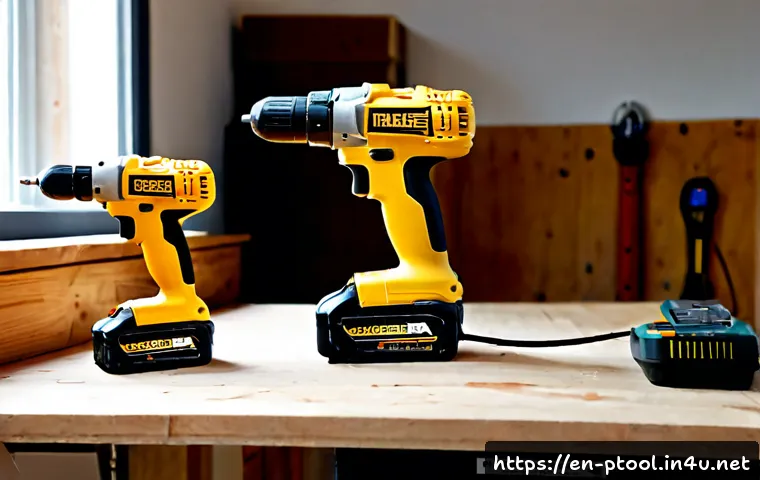
Corded tools usually make more sense for long, continuous work because they can draw power from an outlet without battery changes. Cordless tools are usually the better choice when mobility, fast setup, and a shared battery platform matter more than uninterrupted runtime.
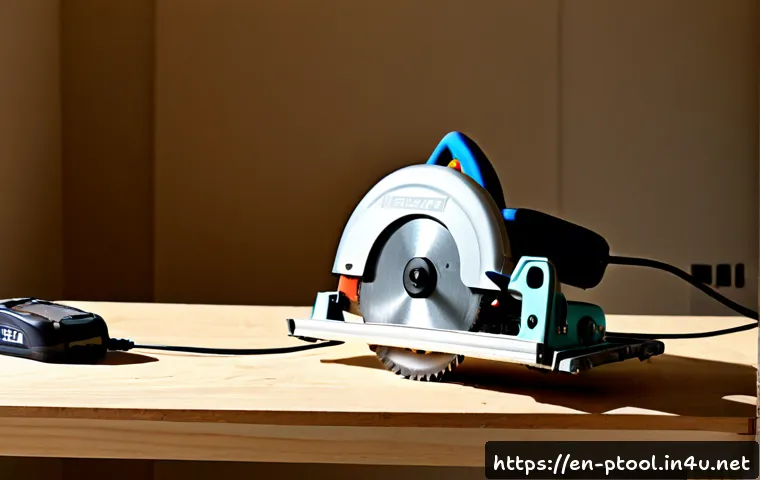
The listed wattage or amp rating is useful for planning power needs, but it does not directly show cutting, drilling, or sanding performance. For cordless models, battery watt-hours provide a clearer starting point for stored energy, while real runtime still depends heavily on the job.
Before comparing tool prices, consider outlet access, expected task duration, battery compatibility, and whether a portable power source is part of the setup.
At a Glance
- Corded tools are generally better for sustained work because they do not depend on battery runtime.
- Cordless tools should be compared by battery watt-hours, workload, and the value of the battery platform.
- For operating cost, use kilowatt-hours (kWh) and your own electricity rate rather than wattage alone.
| Decision Factor | Corded Power Tools | Cordless Power Tools |
|---|---|---|
| Power figure to check | Volts, amps, and approximate input watts | Battery voltage, amp-hours, and watt-hours |
| Best fit | Long cutting, sanding, drilling, or workshop sessions | Mobile work, quick repairs, and locations without convenient outlets |
| Runtime limit | Outlet, circuit, and power-source availability | Battery capacity, task load, battery condition, and temperature |
| Long-term buying question | Does the circuit and extension setup support the tool? | Will the battery platform serve other tools you plan to own? |
The Quick Answer: Which Power Tool Uses More Energy?
Input wattage is not the same as useful cutting or drilling power
A corded tool’s amp rating can be used to estimate its input watts: volts × amps = approximate watts. Many household corded tools in North America are rated for 120 V, but actual power draw changes with the load and motor efficiency. A wattage label is therefore useful for planning electrical demand, not as a direct score for real-world cutting or drilling ability.
Corded tools usually suit long, continuous tasks
If a project involves repeated cutting, sanding, grinding, or drilling near an outlet, a corded tool can simplify the work. It avoids battery swaps and charging pauses. That does not mean every corded model is automatically the stronger choice; compare the tool type, accessory condition, material, and the task itself.
Cordless tools are better judged by battery watt-hours and workload
For a battery-powered tool, watt-hours (Wh) describe stored energy. Calculate them by multiplying nominal battery voltage by amp-hours: volts × Ah = Wh. Within the same battery voltage platform, a higher-Ah battery generally runs longer, but it may also cost more and add weight. Real runtime can change substantially with material hardness, cutting depth, feed pressure, temperature, battery age, and the condition of the blade, bit, or disc.
Compare the Numbers That Matter Before You Buy
Watts, amps, volts, and kilowatt-hours for corded equipment
Amps and volts help you estimate a corded tool’s input demand. Electricity billing, however, is based on kWh, which combines power use and time. A tool used briefly may consume less energy overall than a lower-rated tool used for a much longer session. Check the tool label and the intended circuit before treating an amp rating as a complete operating-cost comparison.
Voltage, amp-hours, and watt-hours for battery-powered tools
Battery voltage identifies the platform, while amp-hours indicate battery capacity within that platform. Watt-hours are more useful when comparing stored energy because they include both voltage and amp-hours. Do not assume batteries with similar-looking labels are interchangeable. Check battery compatibility with the exact tool platform and charger before choosing a bare tool, kit, or replacement battery.
Side-by-side comparison: power demand, runtime, mobility, and upfront cost
For a tool price comparison, separate the cost of the tool from the cost of staying productive. A corded option may have a lower entry cost because it does not require batteries and chargers. A cordless option may offer better overall value when one battery platform supports several tools. Compare tool kit contents carefully: a kit may include batteries and a charger, while a bare tool may not.
Estimate Running Cost and Battery Value Without Guesswork
A simple kWh cost formula using your own utility rate
Use this formula for an estimate: energy used in kWh × your electricity rate = electricity cost. To estimate energy use, start with the tool’s approximate input watts, convert watts to kilowatts, and multiply by operating time. Actual load can differ from the label, so treat the result as a planning estimate rather than an exact bill prediction.
Why battery replacements can matter more than charging cost
Charging uses electricity, but the larger buying decision may be the battery ecosystem. Consider how many batteries you need for your work pattern, whether you already own compatible packs, and whether the added capacity is worth the extra weight. A higher-Ah pack may support longer work periods, but it does not remove the need to match the battery to the task.
When a kit, bare tool, extra battery, or corded alternative offers better value
A tool kit can be practical when you are entering a battery platform and need both batteries and a charger. A bare tool can make sense when compatible batteries are already available. For repeated workshop use near outlets, a corded alternative may reduce interruptions. For mobile trade work, an extra battery may be more useful than relying on an outlet that is not conveniently located.
Avoid Power, Runtime, and Safety Mistakes
Do not compare wattage labels across different tool types without considering the task
A higher-watt label does not automatically make one tool better than another tool designed for a different job. Compare similar tool types, then consider the material and workload. A drill, saw, sander, and grinder place different demands on their motors and accessories.
Account for startup demand when using generators or portable power stations

Motor-driven tools can require more current at startup than during normal operation. This matters when selecting an inverter, generator, or portable power station. Verify power-station capacity, including its rated limits and startup capability, before connecting a tool. Do not rely only on a tool’s normal running demand.
Check extension cords, chargers, battery compatibility, and ventilation requirements
Extension cords, circuits, chargers, and portable power equipment all have rated capacities. Check the manufacturer information and local electrical requirements for the exact setup. Keep chargers and power equipment in conditions that meet their ventilation and operating guidance. If a circuit, extension cord, inverter, or generator is in question, confirm its rating before use.
Match the Tool Setup to Your Workload
Occasional home repairs and short DIY sessions
For short DIY tasks, cordless convenience can be appealing because setup is fast and a nearby outlet is not required. If the work happens mainly in one place and runs longer than expected, a corded model can be simpler. Choose based on where the tool will be used most often, not only on the initial purchase price.
Workshop projects with repeated cutting, sanding, or drilling
A workshop with reliable outlet access often favors corded equipment for repeated or continuous tasks. Review the available circuit and extension-cord arrangement before adding higher-demand tools. If cordless tools are still preferred, plan battery rotation around the actual workload rather than an assumed runtime.
Mobile trade work where outlets are unavailable or inconvenient
For mobile work, cordless tools reduce setup time and eliminate the need to route cords across the work area. A shared battery platform can be valuable when several tools use compatible packs. If portable power is needed for charging or corded equipment, check generator or inverter ratings with startup demand in mind.
Selection Criteria and Comparison Summary
Choose corded when continuous output, outlet access, and lower entry cost matter most. Choose cordless when mobility, shared batteries, and fast setup justify the battery-platform cost. Before buying, check the expected task duration, material, outlet availability, tool type, battery platform, kit contents, and budget. Compare battery-platform cost across the tools you expect to add later, not just the first tool. For exact compatibility, included accessories, and rated power requirements, check the product details on the relevant retailer or manufacturer page.
Final Thoughts
The best power tool setup is usually based on workload rather than a single wattage or voltage number. Corded tools are often easier to plan for continuous work, while cordless tools can be more practical where movement matters. Use watts and amps to understand electrical demand, and use watt-hours to compare battery energy. Then confirm the ratings for the actual circuit, battery, charger, extension cord, or portable power source you plan to use.
Useful Things to Know
1. Input watts describe electrical demand, not guaranteed motor output.
2. Battery watt-hours are calculated from nominal voltage multiplied by amp-hours.
3. A higher-Ah battery within the same voltage platform generally offers longer runtime, with added weight and cost possible.
4. Startup current can exceed normal running demand for motor-driven tools.
Important Considerations
Actual electricity cost depends on local utility rates, operating time, and real tool load. Exact cordless runtime cannot be predicted without the battery capacity, task type, material, and operating conditions. Do not assume a specific circuit, extension cord, inverter, generator, or portable power station is suitable without checking its rated capacity and applicable local requirements.
Frequently Asked Questions
Q1. Do cordless power tools cost more to run than corded tools?
A1. It depends on the tool, workload, electricity rate, and battery system. Electricity cost is based on kWh, but cordless ownership can also involve battery and charger costs. Compare battery-platform cost, expected usage, and whether you already own compatible batteries.
Q2. How can I estimate how long a battery will last in a drill, saw, or grinder?
A2. Start with the battery’s watt-hours, calculated from nominal voltage × Ah. Then account for the tool type, material hardness, cutting depth, feed pressure, accessory condition, temperature, and battery age. Check tool kit contents and battery capacity, but treat stated runtime expectations as task-dependent.
Q3. Is a higher-watt power tool always better for home DIY projects?
A3. No. Higher input wattage can indicate greater electrical demand, but it does not automatically make a tool better for every DIY task. Match the tool type and capacity to the material and project, then verify power-station capacity or circuit suitability if you will not be using a standard outlet.