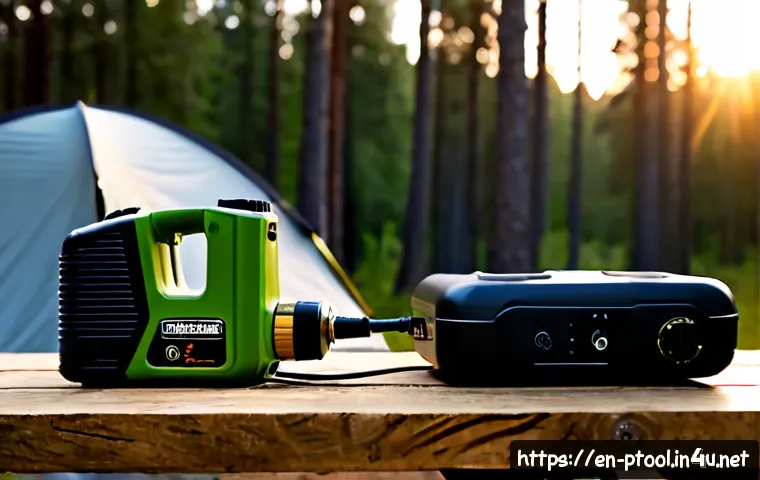
Cordless tools can make car camping easier for repairs, leveling, inflating tires, and campsite setup. Compare the most useful tools, battery sizes, charging options, safety limits, and when a compact kit is worth the cost.
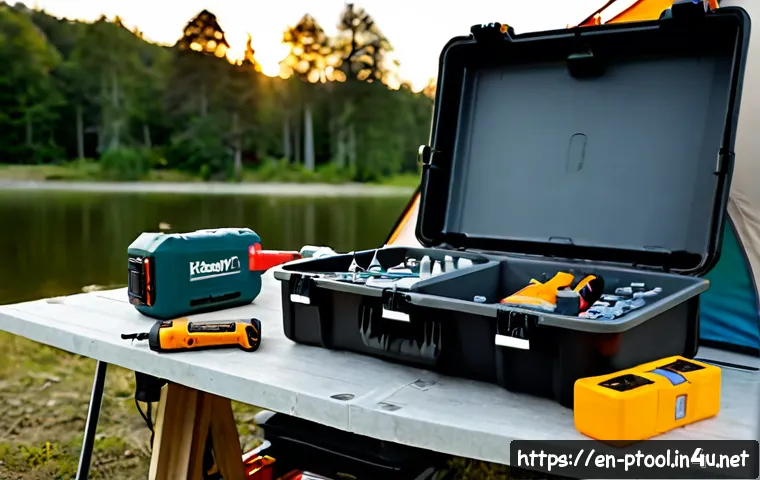
A cordless tire inflator, compact drill/driver, work light, and one compatible battery platform are the best first purchases for most car campers. They handle the common needs—tire checks, minor repairs, lighting, and small setup tasks—without the bulk and added risk of large cutting tools.
The right cordless tool kit depends less on owning the most tools and more on matching battery capacity, charging access, and trip length. A portable power station can be useful for recharging, but its output and the charger’s requirements must be checked first.
For occasional trips, a small, focused accessory bundle is often a better value than a large combo kit. For remote travel or vehicle projects, a wider battery ecosystem may make sense.
At a Glance
- Start with practical tools: a tire inflator, drill/driver, work light, and a compatible battery platform cover many campsite needs.
- Choose battery capacity carefully: higher Ah batteries generally run longer, but they also add weight and cost.
- Leave high-risk tools behind unless needed: saws, grinders, and other high-heat tools require more space, safety gear, and clearance.
| Tool | Best Camping Job | Battery Demand | Pack Weight | Safety Level | Buying Priority |
|---|---|---|---|---|---|
| Portable tire inflator | Tire pressure checks and inflation | Moderate | Low to moderate | Low with normal care | High |
| Compact drill/driver | Minor repairs and campsite hardware | Moderate | Moderate | Moderate | High |
| LED work light | Night setup, repairs, and vehicle access | Low | Low | Low | High |
| Impact driver | Frequent fastener work or tougher projects | Moderate | Moderate | Moderate | Conditional |
| Cutting or grinding tool | Specialized repair or fabrication work | High | High | High | Low for most campers |
The Short Answer: Which Cordless Tools Actually Earn Space in a Camp Box?
The most useful cordless camping tools solve common problems without turning your vehicle into a mobile workshop. For most car campers, repair readiness, lighting, and tire support matter more than raw power.
Best First Buys for Most Car Campers
A portable tire inflator is one of the most practical items to keep in a vehicle-based camp box. Pair it with a compact drill/driver for loose screws, brackets, tent hardware, storage systems, and light campsite repairs. A cordless LED work light is equally valuable because it makes packing, setting up, and checking vehicle gear easier after dark. If you select these tools from one battery platform, one battery type may work across compatible tools.
Tools That Are Useful Only for Specific Trips or Projects
An impact driver can be useful for campers who regularly work on trailer hardware, roof-rack accessories, or larger fasteners. Larger saws, grinders, and heat-producing tools are different. They take up room, can demand more battery power, and need stable work surfaces, protective equipment, and clear space away from tents, fuel, and dry vegetation. For a one-time project, borrowing, renting, or using a repair service may be safer and more economical than packing a specialized tool.
A Compact Starter Setup Built Around One Battery Platform
A sensible starter kit includes a compact drill/driver, work light, tire inflator, one or more compatible batteries, a charger, and a small bit and accessory bundle. Add a USB battery adapter only if it is compatible with your chosen battery system and useful for your normal devices. This approach keeps your cordless tool kit simple while avoiding duplicate chargers and unrelated batteries.
Compare Camping Tool Options by Job, Battery Demand, and Cost
When comparing cordless tool kits, look beyond the number of included tools. The useful question is whether the tools solve real camping jobs and share batteries you will actually carry.
Drill/Driver Versus Impact Driver for Campsite Repairs
A drill/driver is the broader choice for light vehicle-based projects and campsite repairs. It is suited to driving screws and handling common drilling tasks with the right bit. An impact driver is more specialized and can make sense when fasteners are frequent or demanding. For many campers, buying a drill/driver first leaves more room in the budget for batteries, lighting, or a portable tire inflator.
Portable Tire Inflator Versus a 12V Compressor
A battery-powered tire inflator fits naturally into a cordless battery ecosystem and can be convenient when you already use that platform. A 12V compressor is another vehicle-oriented option. The better choice depends on the equipment you already own, how you plan to recharge, and the manufacturer’s compatibility guidance. Do not assume a given inflator or compressor is appropriate for every tire situation; check its instructions and use requirements before a trip.
Work Lights, USB Adapters, and Small Convenience Tools
Work lights deliver high practical value for very little camp-box space. They are useful when looking under a vehicle, organizing gear, or dealing with a late arrival. USB battery adapters can add convenience, but compatibility varies across brands and models. Review the adapter details and battery-platform information before treating one battery as a universal charging solution.
When a Portable Power Station Adds Real Value
A portable power station is most useful when you need to recharge compatible battery chargers away from an outlet. It can support a cordless tool system, but actual recharge time depends on battery size, charger wattage, and the power station’s output. Compare those specifications before buying a power station for tool charging rather than assuming every charger will work as expected.
Battery, Charging, and Power Planning for Weekends Outdoors
Battery planning is a balance between enough reserve power and unnecessary weight. A larger battery may offer longer runtime, but it may not be the best choice for a short trip with only occasional tool use.
How to Choose Battery Capacity Without Overpacking
Battery capacity is commonly expressed in amp-hours (Ah). Higher Ah ratings generally provide longer runtime, while increasing weight and cost. For a compact car-camping kit, consider how often each tool will be used and whether charging access is available. Because runtime changes with tool load, temperature, battery condition, and usage pattern, avoid relying on an exact runtime estimate for trip planning.
Charger Compatibility and Portable Power Station Output
Check that the battery, charger, and portable power station are compatible before leaving home. A portable power station may recharge a compatible charger, but its output must suit the charger’s needs. It is also worth confirming whether a USB adapter, vehicle charging accessory, or battery platform accessory works with your particular model.
Ways to Reduce Battery Drain Between Uses
Pack only the batteries you expect to use, keep them dry, and protect them from impacts inside a padded case or dedicated compartment. Store them away from excessive heat, especially inside a parked vehicle. Bring tools out when needed rather than leaving batteries and equipment exposed to dust, moisture, or direct sun around camp.
Safe Use Around Tents, Vehicles, Fuel, and Dry Ground
Safe tool use outdoors starts with choosing the right job for the setting. A quick repair may be reasonable; a task involving blades, sparks, grinding, or high heat may not be.
Tools That Require Extra Distance and Protective Gear
Tools with blades, grinding discs, or high heat output require a stable work surface, protective equipment, and adequate clearance from tents, fuel containers, vehicles, and dry vegetation. If those conditions are not available, postpone the work or arrange professional help. Never treat a campsite as an automatic substitute for a proper work area.
Moisture, Dust, Heat, and Battery Storage Precautions
Keep lithium-ion batteries dry, protected from impact, and away from excessive heat. Dust and moisture can complicate tool use and storage, so close cases and compartments when gear is not in use. Inspect equipment before use if it has been dropped, soaked, or exposed to harsh conditions.
Campground Rules, Quiet Hours, and Considerate Use
Many established campgrounds restrict generator noise and may have rules affecting power-tool use during quiet hours. Check the specific campground’s current rules before charging batteries or using tools. Even where permitted, use a work light and compact tools thoughtfully so nearby campers are not disturbed.
Build the Right Kit for Your Camping Style
The best setup changes with how far you travel, how often you camp, and whether you are maintaining gear or completing planned projects.
Minimal Kit for Occasional Car Camping
Choose a tire inflator, a compact work light, a basic drill/driver, compatible battery or batteries, and a small accessory bundle. This setup prioritizes common needs without adding a heavy charger collection or rarely used high-power tools.
Practical Kit for Overlanding and Remote Travel
For remote trips, a shared battery platform becomes more valuable because it simplifies spares and charging. Consider a tire inflator, drill/driver, work light, compatible batteries, and a charging plan using a suitable portable power station or other approved source. Focus on tools that support repairs you understand and can safely perform.
Project-Focused Kit for Trailer, Roof-Rack, or Campsite Upgrades
If you regularly adjust trailer equipment, roof-rack hardware, or storage builds, an impact driver or additional accessories may be worth considering. Buy specialized equipment only when it matches recurring work. For unfamiliar repairs or jobs requiring cutting, grinding, or major vehicle work, professional assistance may be the better choice.
Selection Criteria and Comparison Summary
Before comparing tool bundles, batteries, and charging gear, use this checklist:
- Choose one battery ecosystem when multiple compatible tools will genuinely be useful.
- Prioritize a tire inflator, drill/driver, and work light before adding high-power specialty tools.
- Compare battery capacity against pack weight, expected use, and charging access.
- Confirm charger, USB adapter, and portable power station compatibility for the exact models considered.
- Check campground rules for battery charging, tool use, and quiet hours.
- Compare battery platforms before buying a second tool.
For final purchase details, check the manufacturer’s official product page for compatibility information, included accessories, charging requirements, and current bundle terms.
Conclusion
A good camping tool kit is compact, compatible, and focused on likely problems. Start with tire support, basic repairs, and reliable lighting rather than filling a vehicle with heavy tools. One well-chosen battery platform can reduce clutter if you expect to use several compatible items. Add specialized tools only when your trips or projects clearly justify their space, cost, and safety requirements.
Useful Information
1. Battery runtime varies with temperature, battery condition, tool load, and usage pattern.
2. A larger Ah battery generally runs longer, but also increases carry weight and cost.
3. A portable power station can be useful for compatible chargers, but recharge performance depends on the charger and power station specifications.
4. Borrowing, renting, or hiring help can be a practical alternative to owning a specialized camping tool.
Important Notes
Always verify compatibility among batteries, chargers, USB adapters, tools, and portable power stations for the exact models you own or plan to buy. Check campground rules before operating tools or charging equipment. For repairs beyond your experience level, or for work involving blades, discs, high heat, fuel, or vehicle safety systems, seek appropriate professional assistance.
Frequently Asked Questions
Q1. What cordless tool is most useful for car camping?
A1. A portable tire inflator is one of the most useful choices because tire support is relevant on many vehicle-based trips. A compact drill/driver and cordless work light are also strong first purchases for minor repairs, setup work, and visibility.
Q2. Is a portable power station enough to charge cordless tool batteries?
A2. It can be, if the power station and charger are compatible. Actual recharge time depends on the battery size, charger wattage, and the portable power station’s output. Confirm the specifications for your exact equipment before relying on it outdoors.
Q3. Should I buy a cordless tool combo kit specifically for camping?
A3. A combo kit can make sense when it includes tools you will use both at home and while camping, especially when they share one battery platform. If a kit mainly includes large or specialized tools, a smaller setup with an inflator, drill/driver, work light, and compatible batteries may be the more practical option.