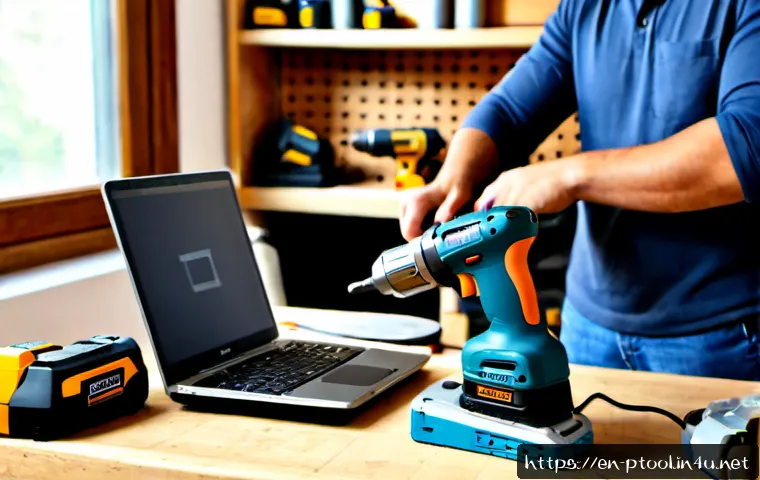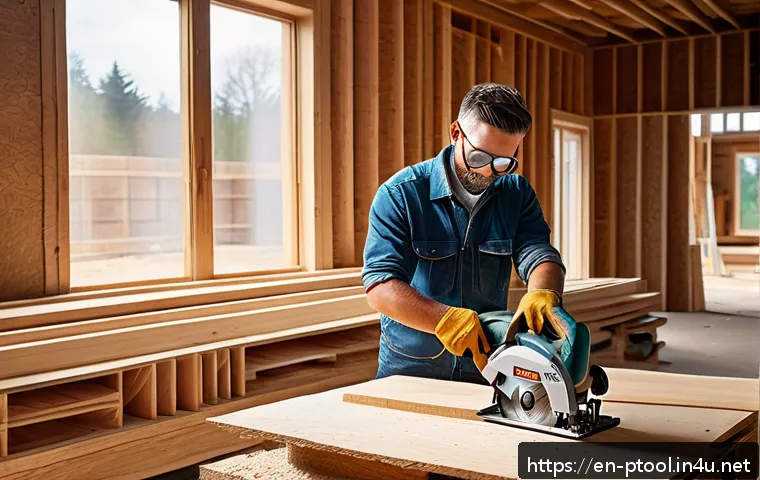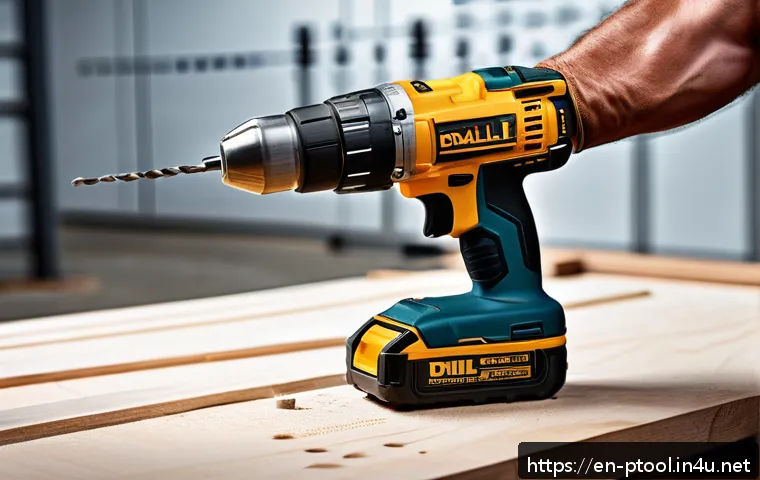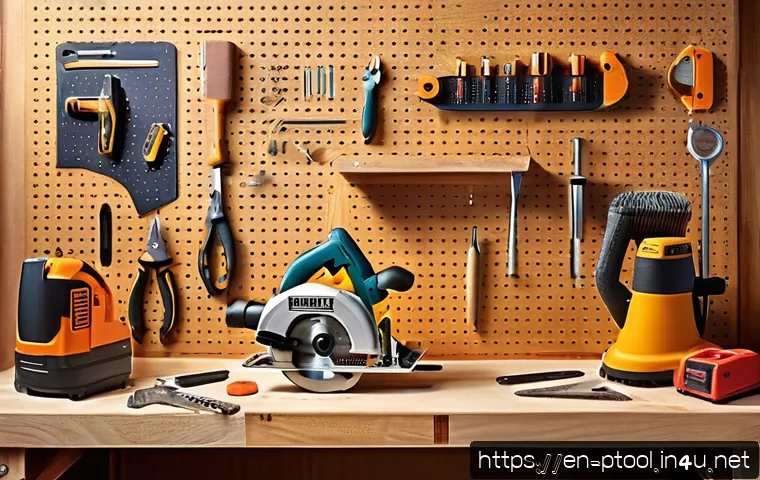
Power tools have revolutionized how we tackle both DIY projects and professional tasks, making work faster and more efficient. However, with great power comes the need for strict regulations and safety standards to prevent accidents and ensure user protection.
Understanding these laws not only helps you comply with legal requirements but also keeps you and those around you safe during operation. From proper handling techniques to mandatory safety gear, there’s a lot to cover.
Let’s dive deep into the essential rules and guidelines that govern the safe use of power tools. Stick with me, and I’ll make sure you get the full picture!
Understanding the Legal Landscape for Power Tool Use
Key Regulations Every User Should Know
When you pick up a power tool, whether it’s a cordless drill or a heavy-duty circular saw, you’re stepping into a world governed by specific laws and regulations designed to keep things safe and orderly.
In the U.S., agencies like OSHA (Occupational Safety and Health Administration) set comprehensive rules for workplace tool use, while consumer safety standards from organizations such as ANSI (American National Standards Institute) guide both professionals and hobbyists.
These rules cover everything from electrical safety to machine guarding, and they’re crucial because ignoring them can lead to serious legal consequences or injuries.
For example, OSHA mandates regular inspections and proper maintenance of power tools on job sites to prevent malfunctions that could cause accidents. Knowing these regulations isn’t just about compliance—it’s about building a safer environment for yourself and everyone around you.
Liability and Responsibility: What You Need to Keep in Mind
One of the things I’ve learned firsthand is that responsibility doesn’t just lie with manufacturers or employers; as a user, you have a duty to operate power tools safely and in line with legal standards.
If an accident happens due to negligence, such as bypassing safety guards or ignoring recommended training, you could be held liable. This means that understanding local and federal laws isn’t optional; it’s essential.
Liability also extends to ensuring that anyone you supervise or train is fully aware of these safety rules. For instance, if you run a small contracting business, your responsibility includes providing proper protective equipment and ensuring all workers are trained in the correct use of each tool.
This layer of accountability protects everyone and helps avoid costly lawsuits or penalties.
The Impact of Updated Standards on Tool Design
Regulatory bodies don’t just set rules for use—they also influence how power tools are designed. Manufacturers must comply with safety standards that often evolve as new technologies emerge and more data about accidents come to light.
For example, modern power tools frequently include features like automatic shutoff switches, anti-kickback mechanisms, and improved insulation to reduce electrical hazards.
These design updates aren’t arbitrary; they are direct responses to regulatory requirements aimed at reducing risk. From my experience, using tools equipped with these advanced safety features drastically reduces the chances of accidents, making your work not only safer but more efficient.
Mastering Safe Handling Techniques for Every Tool
Preparation: The First Step Toward Safety
Before you even plug in or power up a tool, preparation is key. This means inspecting your equipment thoroughly for any damage, loose parts, or frayed cords.
I always recommend a quick walk-around to check for obvious issues that could cause trouble later. Also, setting up your workspace properly—ensuring good lighting, clear floors, and stable surfaces—makes a huge difference.
In my own projects, I’ve noticed how a cluttered or poorly lit work area increases the likelihood of mistakes or mishaps. Taking these simple steps before starting to work significantly lowers your risk of injury.
Technique Matters: How to Hold and Use Power Tools Safely
Using power tools correctly goes beyond just knowing how to turn them on. Proper grip, posture, and movement control are essential to prevent fatigue and accidents.
For example, when using a drill, keeping a firm but relaxed grip and applying steady pressure helps avoid slips or the drill bit catching unexpectedly.
I’ve learned through trial and error that maintaining balance and positioning your body correctly can reduce strain and improve accuracy. Whether you’re sanding, cutting, or drilling, mastering these small yet critical techniques can transform your experience from risky to routine.
Post-Use Care: Don’t Skip This Step
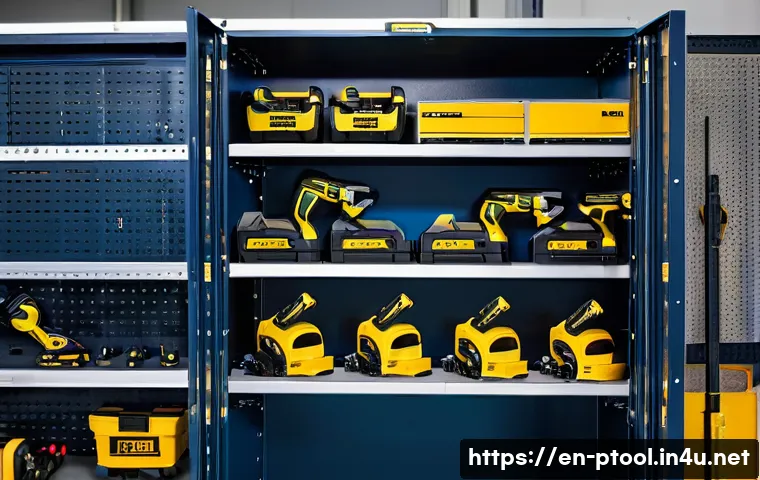
Once the job is done, what you do next is just as important. Power tools need regular cleaning, inspection, and proper storage to stay safe and functional.
After I finish a project, I always unplug my tools, wipe them down to remove dust and debris, and check for any wear that might need fixing. Neglecting this can lead to unexpected failures the next time you use the tool, which is a common cause of accidents.
Storing tools in a dry, secure place also prevents damage and unauthorized use, protecting both your investment and your safety.
The Essential Role of Personal Protective Equipment (PPE)
Choosing the Right Gear for the Job
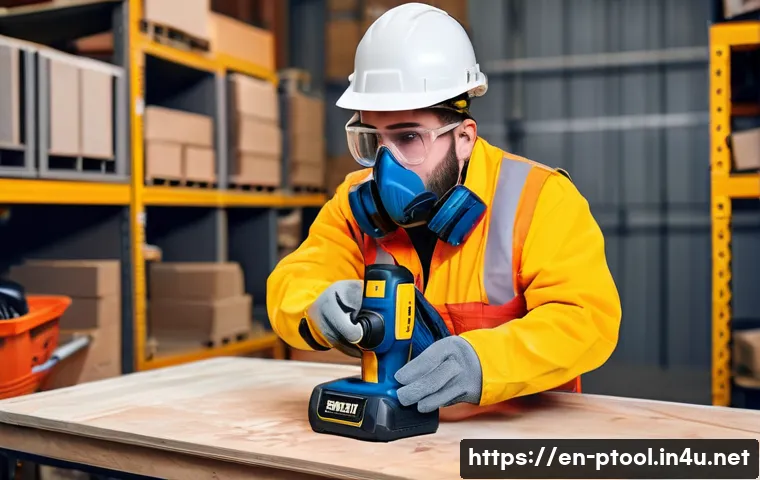
PPE isn’t just a suggestion—it’s a critical part of power tool safety. Depending on the tool and task, you might need gloves, safety goggles, ear protection, or even respiratory masks.
When I first started working with power tools, I underestimated the importance of hearing protection until I developed a slight ringing in my ears after prolonged use of loud equipment.
Now, I never skip wearing earplugs or earmuffs on noisy jobs. Selecting the appropriate PPE tailored to the specific hazards you face helps prevent injuries like cuts, eye damage, hearing loss, and respiratory issues.
Proper Fit and Maintenance of Safety Gear
Wearing PPE is only effective if it fits properly and is well-maintained. Ill-fitting gloves can reduce dexterity, foggy goggles can impair vision, and worn-out ear protection won’t block noise adequately.
I’ve seen many people neglect these details, which defeats the whole purpose of using PPE. Regularly inspecting your gear for cracks, tears, or other damage and replacing it when necessary ensures your protection remains reliable.
Taking the time to adjust and test your equipment before starting work also improves comfort, which encourages consistent use.
Training and Awareness for Effective PPE Use
Sometimes, people don’t fully appreciate why they need PPE or how to use it correctly. From my experience teaching workshops, hands-on training dramatically improves compliance and safety outcomes.
Understanding the risks and seeing demonstrations of what can go wrong without protection motivates people to take PPE seriously. Additionally, developing a habit of always gearing up before touching a power tool builds a safety-first mindset that sticks with you beyond just one project or job site.
Recognizing and Managing Common Power Tool Hazards
Electrical Risks and How to Avoid Them
One of the biggest dangers with power tools is electrical shock or fire caused by faulty wiring, damaged cords, or improper use. I’ve encountered situations where a simple crack in a cord could have led to serious injury if not caught in time.
Using tools with double insulation, grounding plugs, and GFCI (Ground Fault Circuit Interrupter) protection adds critical layers of safety. Always unplug tools before inspecting or repairing them, and avoid using electrical equipment in wet or damp conditions.
These precautions have saved me from potential shocks more than once.
Mechanical Hazards: Cuts, Pinches, and Flying Debris
Moving parts and sharp blades are inherent risks with many power tools. I remember once narrowly avoiding a kickback from a table saw because I was paying close attention to my hand placement and blade condition.
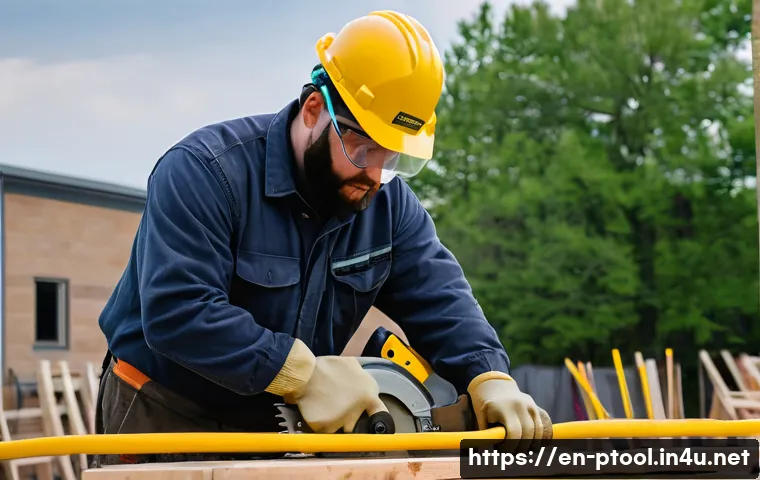
Keeping guards in place, using push sticks or other accessories, and maintaining focus while operating tools helps prevent such accidents. Additionally, wearing face shields or safety glasses protects you from flying debris that can cause eye injuries.
Being proactive and cautious around mechanical hazards is a habit every power tool user should develop.
Fatigue and Distraction: Invisible but Deadly Threats
It’s easy to underestimate how tiredness or distractions can impact safety. When I’ve pushed through long hours without breaks, my reaction time slowed, and I made careless mistakes that could have ended badly.
Scheduling regular rest periods and maintaining a clear, focused mindset are vital. Avoid using power tools if you’re feeling drowsy, stressed, or under the influence of substances.
Recognizing these human factors is just as important as understanding the physical hazards.
Mandatory Training and Certification for Professional Users
Why Formal Training Matters
If you’re working in a professional setting, formal training isn’t just a bonus—it’s often a legal requirement. Certified courses teach not only how to operate tools but also how to recognize hazards, perform maintenance, and respond to emergencies.
I took a professional training class early in my career, and it completely changed how I approached tool use, making me more confident and less prone to accidents.
Employers benefit too, as trained workers tend to be more productive and safer on the job.
Types of Certifications and What They Cover
Certifications vary widely depending on industry and tool type. For example, construction workers might need OSHA 10 or 30-hour training, while electricians have specialized certifications for their equipment.
These programs cover everything from basic safety practices to advanced techniques and legal compliance. Knowing which certification applies to your work helps you stay on the right side of the law and improves your skill set.
Personally, obtaining these certifications opened doors for me professionally and gave me peace of mind when handling complex machinery.
Continuing Education and Staying Up-to-Date
Regulations and technologies evolve, so ongoing education is crucial. Many organizations offer refresher courses or updates when standards change. I make it a point to attend annual safety seminars and read industry publications to keep my knowledge current.
Staying informed not only protects you but also enhances your reputation as a responsible and skilled professional.
Essential Safety Equipment and Features Built Into Modern Power Tools
Automatic Safety Mechanisms You Should Expect
Modern power tools often come with built-in safety features that can prevent accidents before they happen. Things like electric brakes that stop the blade quickly after releasing the trigger, overload protection to prevent motor burnout, and interlock systems that disable the tool unless guards are in place are becoming standard.
I’ve used tools with these features and can honestly say they add a layer of confidence, especially during tricky tasks. Knowing what your tool is equipped with helps you use it more effectively and safely.
Choosing Tools with Ergonomics and Safety in Mind
Ergonomic design is not just about comfort—it directly affects safety. Tools that fit well in your hand, have balanced weight, and reduce vibration can decrease fatigue and risk of injury.
When I upgraded to ergonomically designed power tools, I noticed less strain on my wrists and shoulders, which made long sessions less exhausting and risky.
Always consider these factors when purchasing new equipment; investing in safer, user-friendly tools pays off in the long run.
Regular Updates and Recalls: Staying Alert
Manufacturers sometimes issue recalls or safety updates for tools that have been found to have defects. Staying aware of these notifications is crucial.
I subscribe to manufacturer newsletters and check government safety websites regularly to catch any alerts. Responding promptly to recalls—whether it’s repairing or replacing a tool—can prevent serious injuries.
This vigilance is part of responsible power tool ownership and ensures your equipment remains safe throughout its lifespan.
Summary Table of Power Tool Safety Essentials
| Category | Key Points | Why It Matters |
|---|---|---|
| Regulations | OSHA, ANSI standards; Liability awareness; Tool design compliance | Ensures legal compliance and reduces risk of accidents and lawsuits |
| Handling Techniques | Pre-use inspection; Proper grip and posture; Post-use maintenance | Prevents malfunctions and user injuries; Extends tool lifespan |
| PPE | Correct gear selection; Proper fit and upkeep; Training on usage | Protects against physical harm; Encourages consistent safety habits |
| Hazard Awareness | Electrical safety; Mechanical dangers; Managing fatigue and distractions | Reduces chances of shock, cuts, and operator errors |
| Training & Certification | Mandatory courses; Industry-specific certifications; Ongoing education | Enhances skills, legal compliance, and professional reputation |
| Built-in Safety Features | Automatic shutoffs; Ergonomic design; Recall monitoring | Improves user confidence and prevents tool-related accidents |
Conclusion
Understanding the legal and safety aspects of power tool use is essential for everyone, whether you’re a professional or a hobbyist. By following regulations, mastering proper handling techniques, and using the right protective equipment, you create a safer work environment. Staying informed about training requirements and the latest safety features further reduces risks. Ultimately, safety is a continuous commitment that protects both you and those around you.
Useful Tips to Keep in Mind
1. Always inspect your power tools before use to catch any damage or defects early.
2. Invest in proper personal protective equipment and ensure it fits well to maximize safety.
3. Take regular breaks to avoid fatigue, which can lead to careless mistakes.
4. Stay current with training and certifications relevant to your industry to maintain safe practices.
5. Monitor recalls and manufacturer updates to keep your tools in top, safe working condition.
Key Takeaways
Power tool safety relies heavily on understanding and complying with regulations designed to protect users and others. Proper handling and maintenance prevent accidents and extend the life of your tools. Using well-fitted PPE consistently safeguards against injuries. Awareness of common hazards, including electrical and mechanical risks, is crucial to avoid dangerous situations. Finally, ongoing education and attention to built-in safety features empower users to work confidently and responsibly.
Frequently Asked Questions (FAQ) 📖
Q: What are the most important safety regulations I should follow when using power tools?
A: The key safety regulations include always wearing appropriate personal protective equipment like safety goggles, gloves, and ear protection; ensuring the tool is properly grounded or double insulated; keeping the work area clean and well-lit; and never bypassing safety features.
Also, it’s crucial to read the manufacturer’s instructions carefully and never use a power tool for a job it wasn’t designed to handle. From my own experience, following these rules not only prevents accidents but also makes your work smoother and more enjoyable.
Q: Are there specific legal requirements for operating power tools in a professional setting?
A: Yes, in professional environments, OSHA (Occupational Safety and Health Administration) regulations often apply, mandating proper training for workers, regular equipment inspections, and adherence to strict safety protocols.
Employers must provide necessary safety gear and ensure employees understand how to use power tools safely. Personally, I’ve seen how workplaces that enforce these standards tend to have fewer accidents and higher productivity, proving that compliance isn’t just about rules—it’s about protecting people’s lives.
Q: What safety gear is absolutely necessary when handling power tools?
A: At minimum, you should wear safety glasses or goggles to protect your eyes from flying debris, hearing protection like earplugs or earmuffs to guard against noise, and sturdy gloves to prevent cuts and vibrations.
Depending on the tool and task, dust masks or respirators might be necessary to avoid inhaling harmful particles. From my hands-on projects, I can tell you that skimping on safety gear often leads to painful injuries or long-term health issues, so it’s never worth the risk.