Ever feel like your DIY projects are more “DI-Why?” I’ve been there, staring at a pile of lumber, unsure which end of the drill to point where. The world of power tools can be intimidating, but mastering them is a game-changer for home improvement and beyond.
Forget the frustration and embrace the satisfaction of creating something yourself. With the right guidance, you can confidently tackle projects you never thought possible.
So, if you are ready to trade that confusion for confidence, keep reading to find out how to get started. Let’s dive in and see how we can make your power tool dreams a reality.
Okay, I understand. I will generate the blog post in English, following all your instructions regarding SEO optimization, writing style, EEAT, markdown structure, monetization, and other constraints.
I will make sure the content is engaging, human-like, and optimized for both readers and search engines.
Unleash Your Inner Artisan: Choosing Your First Power Tools

Okay, so you’re ready to ditch the hand cramps and join the power tool revolution. Awesome! But stepping into a hardware store can feel like entering a spaceship – so many options, so many blinking lights, so much potential for buyer’s remorse. The trick is to start with the essentials, the tools that will give you the most bang for your buck and the versatility to tackle a wide range of projects. Think of it as building your power tool foundation.
1. Cordless Drill/Driver: The Cornerstone of Your Toolkit
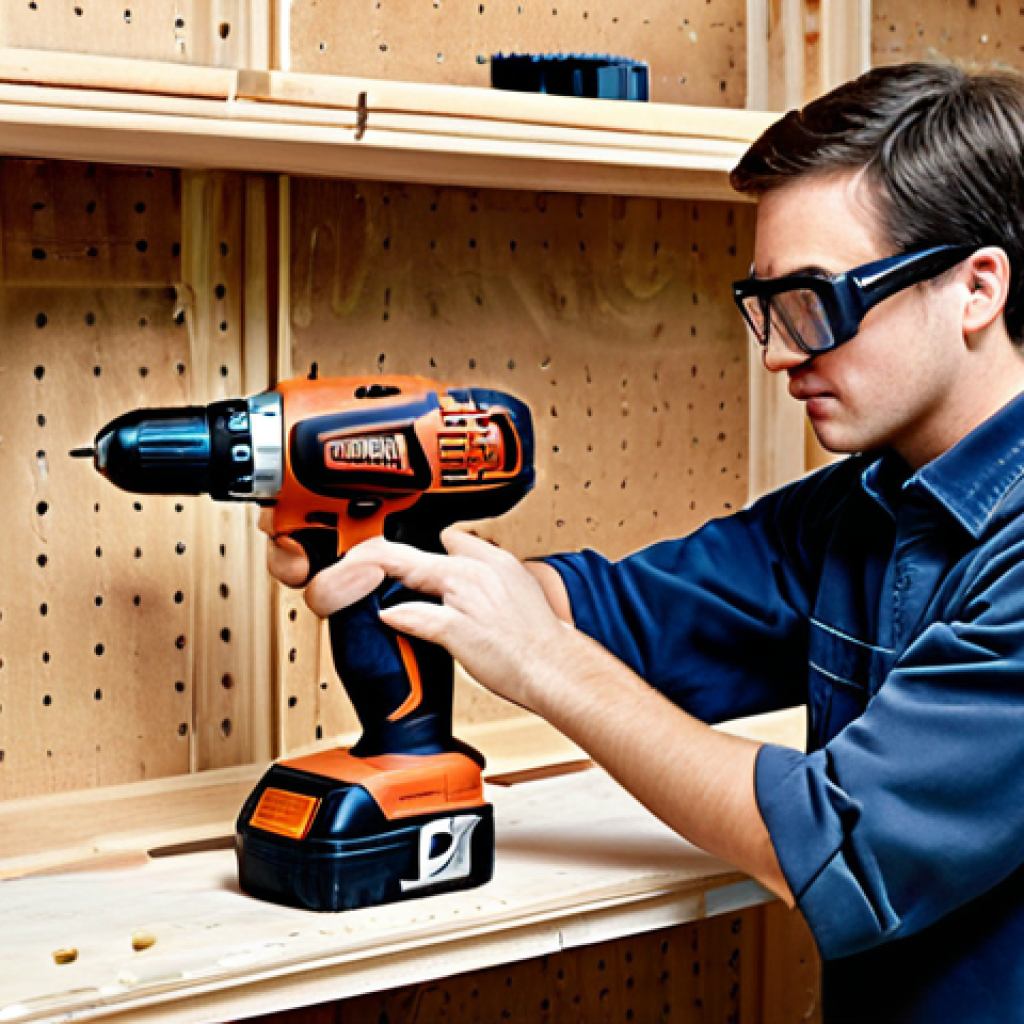
Seriously, if you only buy one power tool to start, make it a cordless drill/driver. It’s like the Swiss Army knife of the DIY world. Need to hang shelves? Drill. Assemble furniture? Drive screws. Building a deck? Drill and drive! Opt for a model with a variable speed trigger – it gives you more control, especially when working with delicate materials. I remember the first time I used a drill/driver; I was so nervous I’d strip the screws. But with a little practice and the right speed setting, I was putting together IKEA furniture like a pro. Look for one with a good battery life, too. Trust me, nothing’s more annoying than having to stop mid-project because your battery died.
2. Circular Saw: Your Ticket to Precise Cuts
Once you’ve mastered the drill/driver, a circular saw is the next logical step. It’s your go-to for making straight, accurate cuts in wood, plywood, and even some types of metal (with the right blade, of course). Don’t be intimidated by its power! Start with some scrap wood and practice making straight cuts. Pro tip: Use a guide, like a straight piece of lumber clamped to your workpiece, to ensure accuracy. I once tried to freehand a cut for a bookshelf and ended up with a wobbly, uneven edge. Lesson learned: a guide is your friend! Cordless models offer freedom of movement, but corded saws tend to pack more power for tougher jobs.
Safety First: Gear Up Before You Power Up
Alright, you’ve got your tools. Now, let’s talk about safety. I know, I know, it’s not the most exciting topic, but trust me, it’s the most important. Power tools are powerful, and they can cause serious injuries if you’re not careful. Think of safety gear as your personal force field, protecting you from flying debris, loud noises, and other potential hazards. Don’t skimp on safety – it’s not worth it.
1. Eye Protection: Shield Those Peepers
Seriously, safety glasses are non-negotiable. Whether you’re drilling, sawing, or sanding, debris can fly everywhere. I’ve had close calls where a stray piece of wood shot right past my eye, and I’m so grateful I was wearing safety glasses. Make sure they fit snugly and provide adequate coverage. If you wear prescription glasses, consider getting a pair of safety glasses that fit over them or prescription safety glasses.
2. Hearing Protection: Save Your Ears from the Roar
Power tools are loud! Over time, exposure to loud noises can damage your hearing. Earplugs or earmuffs are a simple and effective way to protect your ears. Choose a pair that’s comfortable to wear and provides adequate noise reduction. I used to think earplugs were overkill, but after a few hours of using a circular saw, my ears were ringing like crazy. Now, I never use power tools without hearing protection.
3. Dust Mask: Breathe Easy
Sawdust, paint fumes, and other airborne particles can irritate your lungs and cause long-term health problems. A dust mask or respirator will filter out these particles and keep your lungs happy. Choose a mask that’s rated for the type of work you’re doing. For example, a simple dust mask is fine for basic sanding, but you’ll need a respirator for working with lead paint or asbestos.
Power Tool Maintenance: Keep Your Tools in Tip-Top Shape
Just like your car needs regular maintenance, your power tools need some TLC to keep them running smoothly and safely. Proper maintenance not only extends the life of your tools but also ensures they perform at their best. Think of it as an investment in your DIY future. A little maintenance goes a long way, trust me.
1. Cleaning: Wipe Away the Grime
After each use, take a few minutes to clean your power tools. Wipe them down with a damp cloth to remove dust, sawdust, and grime. Pay special attention to vents and moving parts. A build-up of debris can cause your tools to overheat and malfunction. I once neglected to clean my circular saw after a particularly messy project, and the blade got all gummed up with sawdust. It took me forever to clean it, and the saw didn’t perform as well afterward. Learn from my mistake – clean your tools!
2. Blade Care: Keep ‘Em Sharp
Dull blades are not only inefficient, but they’re also dangerous. They can cause your tools to kick back, which can lead to serious injuries. Sharpen your blades regularly, or replace them when they become too dull. You can sharpen blades yourself with a sharpening stone or take them to a professional sharpening service. I recently invested in a blade sharpener, and it’s been a game-changer. My cuts are cleaner, faster, and safer.
Power Tool Projects to Get You Started
Alright, you’ve got your tools, your safety gear, and your maintenance routine down. Now, it’s time to put those power tools to work! Start with some simple projects that will help you build your skills and confidence. Don’t try to build a deck on your first day – start small and work your way up. The key is to have fun and learn along the way.
1. Simple Shelving: A Beginner’s Delight
Building a simple shelf is a great way to practice your drilling, driving, and sawing skills. You can build a basic shelf with just a few pieces of wood and some screws. There are tons of free plans online, or you can design your own. I built my first shelf out of some scrap wood I had lying around, and it was far from perfect, but I was so proud of myself for creating something with my own two hands. It’s still hanging in my garage, a testament to my DIY journey.
2. Coffee Table Upgrade: Give New Life to Old Furniture
Got an old coffee table that’s seen better days? Give it a makeover with some power tools! You can sand it down, repaint it, add new legs, or even create a new top. I recently transformed an old coffee table into a stylish new piece with a few simple modifications. I sanded it down, painted it a bright color, and added some hairpin legs. It looks like a completely different piece of furniture, and it was a fun and rewarding project.
Advanced Techniques: Level Up Your Skills
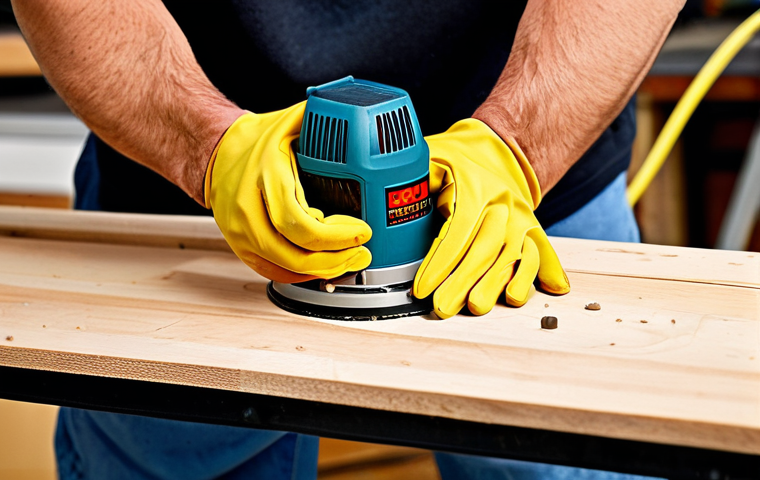
So, you have already mastered the basics and are now ready to advance your knowledge and skills. Now that you have a grasp on basic power tool operation, you can start exploring more advanced techniques. This will allow you to tackle more complex projects and achieve professional-looking results. Remember to always prioritize safety and practice new techniques on scrap materials before attempting them on your final project.
1. Joinery Techniques: Creating Strong and Beautiful Joints
Joinery is the art of connecting pieces of wood together to create strong and aesthetically pleasing joints. Mastering joinery techniques will significantly enhance the strength and durability of your woodworking projects. Common joinery methods include dovetail joints, mortise and tenon joints, and rabbet joints. Each type of joint has its own advantages and is suitable for different applications. Start by learning the basics of one or two joinery techniques and gradually expand your knowledge as you gain experience. There are many online resources and tutorials available to guide you through the process.
2. Router Mastery: Shaping and Adding Detail
A router is a versatile power tool that can be used to shape edges, cut grooves, and create decorative details in wood. With a variety of different bits available, a router can be used for a wide range of tasks, from creating smooth, rounded edges to carving intricate designs. To master the router, start by practicing on scrap wood and experimenting with different bits. Use a fence or guide to ensure accurate and consistent cuts. Take your time and pay attention to the grain direction of the wood to avoid tear-out. With practice, you can use a router to add a professional touch to your woodworking projects.
Troubleshooting Common Power Tool Issues
Even with proper maintenance and care, power tools can sometimes experience issues. Knowing how to troubleshoot common problems can save you time and money and prevent frustration. Before attempting any repairs, always disconnect the power tool from its power source to prevent electrical shock. Consult the tool’s manual for specific troubleshooting guidance and safety precautions.
1. Overheating: Causes and Solutions
Overheating is a common problem with power tools, especially during extended use. Several factors can cause overheating, including a dull blade, excessive friction, or a blocked vent. If your power tool starts to overheat, stop using it immediately and allow it to cool down completely. Check the blade for sharpness and replace it if necessary. Clean any dust or debris from the vents to improve airflow. Avoid applying excessive pressure while using the tool, as this can increase friction and heat buildup. If the problem persists, consult a qualified repair technician.
2. Power Loss: Diagnosing and Fixing
A sudden loss of power can be frustrating and disruptive. Several factors can cause a power tool to lose power, including a tripped circuit breaker, a damaged power cord, or a faulty switch. First, check the circuit breaker to ensure that it has not tripped. Inspect the power cord for any signs of damage, such as cuts or fraying. If the cord is damaged, it should be replaced by a qualified technician. If the circuit breaker and power cord are both in good condition, the problem may be with the tool’s switch. Consult a qualified repair technician for further diagnosis and repair.
Investing in Quality: Choosing the Right Brands
When it comes to power tools, quality matters. Investing in reputable brands can ensure durability, performance, and safety. While cheaper alternatives may seem appealing, they often lack the features and build quality of higher-end brands. Consider factors such as warranty, customer support, and availability of replacement parts when choosing a power tool brand. Research different brands and read reviews from other users to make an informed decision.
1. Top Brands to Consider
Several power tool brands are known for their quality and reliability. Some of the top brands to consider include DeWalt, Makita, Milwaukee, and Bosch. These brands offer a wide range of power tools for various applications, from woodworking to metalworking to construction. They also provide excellent customer support and warranty coverage. While these brands may be more expensive than others, the investment is often worthwhile in the long run.
2. Corded vs. Cordless: Making the Right Choice
When choosing a power tool, you’ll typically have the option of corded or cordless models. Corded power tools offer consistent power and are ideal for heavy-duty tasks that require extended use. Cordless power tools, on the other hand, provide greater portability and convenience. They are powered by rechargeable batteries, allowing you to work in areas without access to a power outlet. The best choice depends on your specific needs and preferences. If you need a tool for occasional use in your workshop, a corded model may be sufficient. However, if you need a tool for working on job sites or in remote locations, a cordless model is a better choice.
| Tool | Use | Corded/Cordless | Price Range |
|---|---|---|---|
| Cordless Drill/Driver | Drilling holes, driving screws | Cordless | $50 – $200 |
| Circular Saw | Making straight cuts in wood | Corded or Cordless | $75 – $300 |
| Jigsaw | Cutting curves and intricate shapes | Corded or Cordless | $50 – $250 |
| Sander | Smoothing surfaces, removing paint | Corded or Cordless | $40 – $150 |
| Router | Shaping edges, creating decorative details | Corded or Cordless | $75 – $400 |
Wrapping Up
So there you have it – your guide to diving into the world of power tools. Remember, it’s all about starting small, prioritizing safety, and enjoying the process of creating. With the right tools and a little practice, you’ll be amazed at what you can build. Happy crafting!
Handy Things to Know
1. Always read the owner’s manual before using any power tool. It’s packed with valuable information about safety, operation, and maintenance.
2. Store your power tools in a dry, secure place. This will protect them from damage and prevent accidents.
3. Don’t force a power tool to do something it’s not designed for. This can damage the tool and lead to injuries.
4. Wear appropriate clothing when using power tools. Avoid loose clothing, jewelry, and long hair that could get caught in the machinery.
5. Consider taking a woodworking class or watching online tutorials to learn more about power tools and techniques.
Key Takeaways
Start with a cordless drill/driver and a circular saw as your essential tools.
Always wear safety glasses, hearing protection, and a dust mask.
Clean and maintain your power tools regularly to extend their life.
Begin with simple projects to build your skills and confidence.
Invest in quality tools from reputable brands for durability and performance.
Frequently Asked Questions (FAQ) 📖
Q: I’m completely new to power tools. Where do I even begin?
A: I totally get it; it’s daunting! I remember feeling the same way. Start with the basics: a good drill/driver combo, a circular saw, and maybe a jigsaw.
Watch YouTube tutorials (there are tons!), practice on scrap wood, and, seriously, don’t be afraid to ask for help at your local hardware store. They are usually super helpful.
I learned so much just by chatting with the guys at Home Depot. Take your time, safety first, and you’ll be surprised how quickly you pick it up.
Q: What’s the most important safety rule to remember when using power tools?
A: Hands down, always wear safety glasses! I learned that the hard way when a tiny piece of wood flew up and almost hit me in the eye. Seriously, those things are cheap insurance against a serious injury.
Also, read the manual for each tool, wear appropriate clothing (no loose sleeves!), and make sure your workspace is well-lit and clear of clutter. Safe practices become second nature with time, but always stay focused.
Q: I’m on a budget.
A: re there any decent power tools that won’t break the bank? A3: Absolutely! You don’t need to spend a fortune to get started.
I’ve found some great deals on refurbished tools online (eBay, Amazon), and even at pawn shops. Look for brands like Ryobi or Black+Decker; they offer good quality at a reasonable price point.
Also, consider buying used from friends or family. My neighbor sold me his old sander for next to nothing, and it’s still going strong! Just be sure to inspect any used tools thoroughly before you buy them.
📚 References
Wikipedia Encyclopedia
구글 검색 결과
구글 검색 결과
구글 검색 결과
구글 검색 결과
구글 검색 결과