Alright, let’s be real for a second. If you’re anything like me, you’ve probably had your fair share of close calls or just plain discomfort tackling projects with power tools.
Those buzzing saws and powerful drills can really take a toll on your hands, leaving you with everything from annoying splinters to lingering vibrations that just don’t quit.

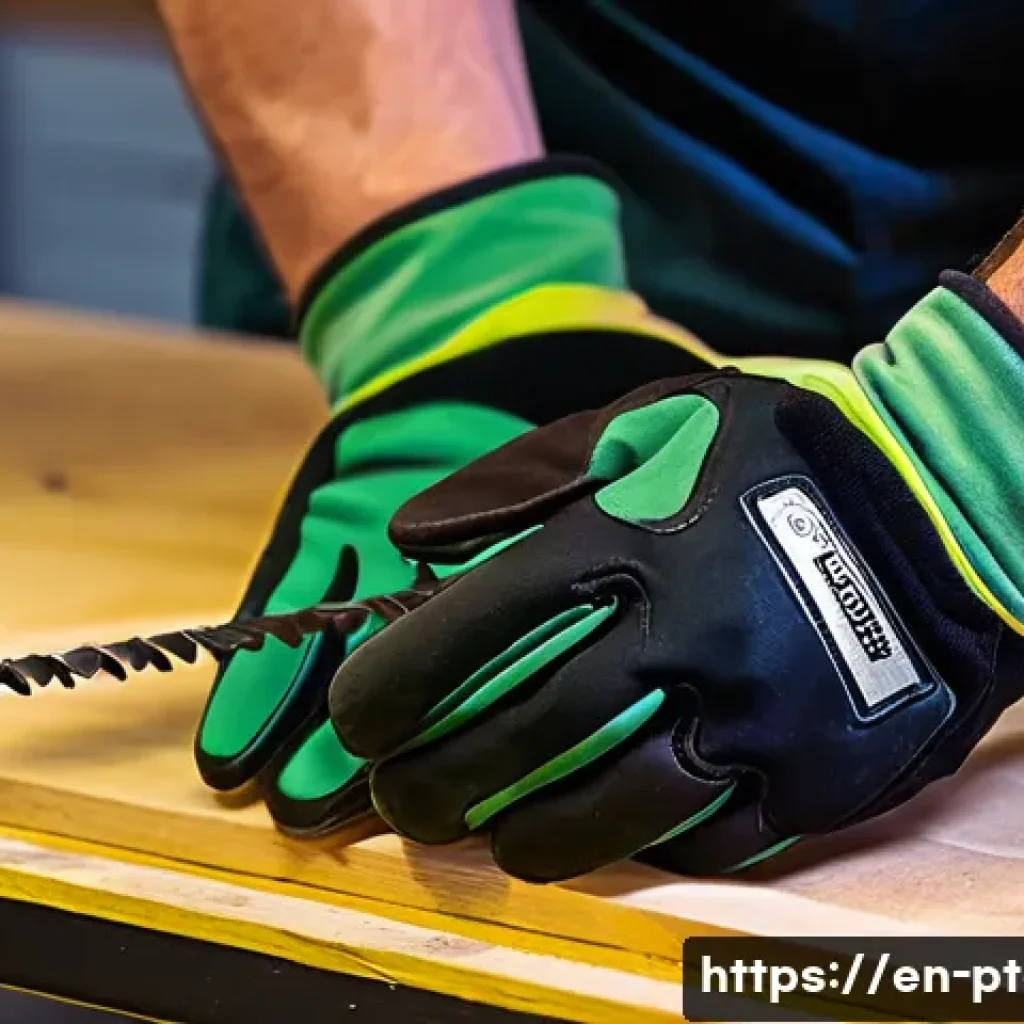
I’ve learned firsthand that neglecting your hands is a rookie mistake, and thankfully, modern work gloves offer incredible protection and comfort far beyond what they used to.
Choosing the right pair is crucial for safety and even boosts your efficiency. Let’s make sure your hands are always ready for anything; let’s dive into the details!
Beyond Basic Protection: Why Your Hands Deserve the Best
Okay, let’s get real for a minute. We often think of safety gear as a necessary evil, but when it comes to your hands and power tools, it’s a non-negotiable lifeline. I can’t even count the number of times I’ve seen folks shrug off decent gloves, only to end up with a nasty splinter, a pinched finger, or worse. The truth is, modern work gloves are a far cry from those bulky, stiff things your grandpa used. They’re engineered marvels designed to protect you from cuts, abrasions, impacts, and even those insidious vibrations that can really mess with your hands over time. When I first started out, I definitely made the mistake of grabbing whatever cheap pair was on sale, and let me tell you, my hands paid the price. Investing in a good pair isn’t just about avoiding injury; it’s about comfort, confidence, and ultimately, getting the job done better and faster without compromising your long-term hand health. Think of it as an investment in your productivity and well-being, not just another expense. Trust me on this one; your hands will thank you for it, especially after a long day in the workshop or on the job site.
The Unseen Dangers: More Than Just Scrapes
It’s easy to focus on the immediate, visible threats – that spinning saw blade or the sharp edge of a metal sheet. But there’s a whole world of unseen dangers that good gloves combat. I once spent a week on a project with a particularly aggressive orbital sander, and by the end of each day, my hands felt like I’d just run a marathon with them. That constant vibration, what they call Hand-Arm Vibration Syndrome (HAVS) in more serious cases, is a real concern for anyone frequently using power tools. Modern gloves incorporate vibration-dampening materials that absorb much of that shock, drastically reducing fatigue and preventing long-term nerve damage. Without them, you’re just putting unnecessary stress on your joints and tendons, which can lead to chronic pain and even conditions like carpal tunnel syndrome down the road. It’s not just about what you can see; it’s about what you can feel and what you can prevent.
Confidence Through Comfort: A Game Changer
Here’s something I’ve learned firsthand: when you’re comfortable, you’re more confident, and when you’re more confident, you’re more efficient and safer. Trying to manipulate small parts or make precise cuts while your hands are aching, numb, or just plain uncomfortable because of ill-fitting or inadequate gloves is a recipe for disaster. A well-fitting pair of gloves allows for maximum dexterity, letting you grip tools firmly without feeling clumsy. This enhanced tactile feedback means you’re less likely to drop tools, slip, or make mistakes that could lead to injury. I remember upgrading to a pair specifically designed for high-dexterity tasks, and it felt like my hands suddenly gained superpowers – I could feel the workpiece, control my tools with precision, and work for much longer stretches without needing a break. It truly transforms your experience from a struggle to a smooth, productive workflow.
Decoding Glove Materials: What Works Best for Your Workflow?
Walking into a hardware store and seeing the wall of work gloves can be pretty overwhelming, right? There are so many materials, each claiming to be the best. But here’s the secret: “best” really depends on what you’re doing. I’ve personally tried everything from simple cotton gloves to high-tech synthetics, and I’ve found that understanding the properties of different materials is key to making the right choice. For example, if I’m doing a lot of fine assembly work or handling small screws, I’m definitely reaching for a glove with a thin, flexible synthetic palm, maybe something like nylon or spandex with a polyurethane coating. Those give me the tactile feel I need. But if I’m tearing down old lumber with nails or working with sheet metal, then leather or a more robust synthetic like Kevlar is my go-to for serious puncture and abrasion resistance. It’s not about one-size-fits-all; it’s about tailoring your protection to the task at hand. Just like you wouldn’t use a sledgehammer for a finishing nail, you shouldn’t use a delicate glove for heavy-duty demolition.
Leather vs. Synthetics: The Great Debate
The classic choice, leather, has been a staple in workshops for generations, and for good reason. It’s incredibly durable, offers fantastic abrasion resistance, and molds to your hand over time for a comfortable, custom fit. I’ve got a pair of deerskin gloves that have seen me through countless projects, from framing to welding, and they just keep getting better with age. However, leather isn’t always the ideal choice. It can get stiff when wet, and its breathability isn’t always top-notch, leading to sweaty hands on hot days. This is where modern synthetics truly shine. Materials like Kevlar, Dyneema, and various blends offer incredible cut and puncture resistance without the bulk of heavy leather. They’re often lighter, more flexible, and can be engineered with specific coatings for enhanced grip in oily or wet conditions. For electrical work, I always opt for specialized rubber or synthetic gloves that offer dielectric protection, something natural leather can’t provide. It really boils down to balancing protection, dexterity, and environmental factors.
Specialized Coatings and Linings: The Hidden Heroes
Beyond the primary material, many gloves feature specialized coatings or linings that significantly enhance their performance. Take nitrile or polyurethane coatings, for instance. I’ve found these indispensable for tasks where grip is critical, especially when working with slippery materials or in damp conditions. A good nitrile-dipped glove gives you a fantastic wet or dry grip without sacrificing too much dexterity, making it perfect for plumbing or automotive work. Then there are impact-resistant gloves with thermoplastic rubber (TPR) on the back of the hand. I learned the hard way that knuckle protection is vital when you’re swinging a hammer or working in tight spaces where accidental bumps are common. And let’s not forget about thermal linings for colder environments or heat-resistant materials for welding or grinding. These specialized additions aren’t just fancy marketing; they’re critical features that can prevent serious injuries and make a huge difference in your comfort and ability to perform specific tasks safely. Always check the features beyond just the basic material.
The Silent Enemy: Conquering Vibration Fatigue
Have you ever spent hours using a jackhammer, an impact wrench, or even a heavy-duty angle grinder, and then felt your hands tingling, numb, or even painfully achy afterward? That’s vibration fatigue, and it’s a genuine menace for anyone who regularly uses power tools. I used to brush it off as “just part of the job,” but after a particularly grueling demolition project left my hands throbbing for days, I decided to take it seriously. It turns out, prolonged exposure to tool vibrations can lead to a condition called Hand-Arm Vibration Syndrome (HAVS), which can cause permanent damage to your blood vessels, nerves, and joints. It’s not something you want to mess with. Thankfully, glove technology has come a long, long way in combating this. Many modern work gloves are specifically designed with advanced vibration-dampening materials, often in the palm and fingers, to absorb and dissipate those harmful frequencies before they reach your hands. It makes a world of difference, not just in comfort during the work, but in preventing those long-term, debilitating effects that can impact your ability to work and even your quality of life.
How Anti-Vibration Gloves Really Work
It’s fascinating how these gloves are engineered. They don’t just rely on thick padding; it’s a science. Typically, anti-vibration gloves incorporate viscoelastic polymers or gel pads strategically placed in areas most exposed to vibration – usually the palm, base of the fingers, and sometimes the thumb. These materials are designed to absorb and diffuse vibratory energy, effectively reducing the amount of harmful vibration transmitted to your hands. Think of it like a shock absorber for your hands. When I first tried a really good pair, I was genuinely surprised by how much less fatiguing my work felt. I could operate a reciprocating saw for twice as long without that familiar hand-numbness kicking in. The key is finding gloves that meet international standards for vibration reduction, like ISO 10819, as these have been tested and proven effective. Don’t just grab any padded glove; look for explicit anti-vibration ratings or descriptions that mention specific dampening technologies. It’s an investment in your future comfort and health.
Beyond Gloves: Holistic Vibration Management
While anti-vibration gloves are incredibly effective, they’re just one piece of the puzzle. I’ve learned that a holistic approach to managing vibration exposure is the best way to protect yourself. This means choosing low-vibration tools whenever possible – many manufacturers are now focusing on ergonomic designs that reduce vibration at the source. It also involves taking regular breaks, stretching your hands and arms, and maintaining good posture. I make it a point to rotate tasks if I’m on a job with particularly high-vibration tools, giving my hands a break by switching to something that requires less exposure. Ensuring your tools are well-maintained also plays a role; dull blades or loose components can increase vibration. And finally, proper grip is crucial. Don’t white-knuckle your tools; a firm, but relaxed grip can actually help reduce the transmission of vibration. Combining quality anti-vibration gloves with these practices will give you the best possible defense against the long-term effects of power tool vibrations, allowing you to work longer and stay healthier.
Grip and Dexterity: Finding Your Sweet Spot
This is where things can get a little tricky, isn’t it? We all want gloves that protect us, but if they feel like oven mitts and you can’t pick up a penny, they’re practically useless for intricate work. I’ve been there, fumbling with tiny screws or trying to hold a thin piece of trim with gloves that offered all the dexterity of a catcher’s mitt. It’s incredibly frustrating and, frankly, dangerous because it makes you want to take them off, defeating the whole purpose. The challenge is finding that perfect balance between robust protection and enough tactile feedback and flexibility to perform precise tasks. For me, the sweet spot often comes down to the material in the palm and fingers and the overall fit. A glove that’s too loose will bunch up and hinder your grip, while one that’s too tight restricts movement and can quickly become uncomfortable. This isn’t just about comfort, though; a good grip prevents slips and drops, keeping both you and your tools safer. It’s a critical factor that often gets overlooked in the pursuit of maximum protection, but I promise you, when you find a pair with excellent grip and dexterity, your workflow will feel exponentially smoother and more secure.
Textured Palms: The Secret to Superior Hold
When I’m evaluating gloves, one of the first things I look at is the palm texture. It’s amazing how much difference a subtle pattern or coating can make. Smooth leather gloves are fine for some tasks, but if you’re working with oily metal, wet wood, or anything that requires a really secure grip, a textured palm is a game-changer. Many gloves incorporate a sandy nitrile finish, a silicone pattern, or even raised dots to enhance friction. I distinctly remember working on an engine repair where I was constantly dropping wrenches because of greasy components. Switching to a pair with a highly textured nitrile palm completely changed the game; suddenly, I had a confident hold even on slick surfaces. It dramatically reduced my frustration and improved my efficiency. These textured surfaces channel away liquids, allowing the glove to maintain contact, which is vital for safe tool handling. Don’t underestimate the power of a good palm pattern; it’s often the unsung hero of a safe and productive workday, providing that extra bit of confidence when you really need to bear down and hold tight.
Form-Fitting Design for Finesse
Beyond material and texture, the actual cut and construction of the glove play a massive role in dexterity. Look for gloves with pre-curved fingers – these mimic the natural resting position of your hand, reducing fatigue and making it easier to grip tools without fighting the material. Fourchette construction, where individual pieces of fabric are sewn between the fingers, also allows for greater flexibility and a more natural feel. I’ve found that gloves with seamless fingertips or very thin material at the very end of the fingers provide the best tactile sensitivity, which is crucial for picking up small fasteners or feeling the texture of a workpiece. Some of my favorite pairs have touchscreen-compatible fingertips, which might sound like a minor convenience, but when you’re on a job site and need to quickly check a diagram on your phone without taking your gloves off, it’s a huge time-saver and safety booster. It’s all about a design that works with your hands, not against them, allowing you to maintain full control and precision in every movement, no matter how small or delicate the task.
Understanding Safety Ratings: What Do All Those Numbers Mean?
Alright, let’s talk about those cryptic numbers and symbols you see on glove packaging. For a long time, I just glossed over them, assuming they meant “it’s safe!” But I’ve learned that understanding these safety ratings is absolutely crucial for choosing the *right* level of protection for specific tasks. It’s like buying a car; you wouldn’t just assume all cars have the same safety features, right? The most common standard you’ll encounter in North America and Europe is the EN 388 (or ANSI/ISEA 105 in the US). This rating tells you how well a glove protects against mechanical risks: abrasion, cut, tear, and puncture. Each category has a number associated with it, where a higher number indicates better protection. I once almost made a costly mistake using gloves with a low cut rating for a task involving razor-sharp sheet metal. Luckily, I double-checked the standard and realized I needed something with a much higher cut resistance. Knowing these ratings isn’t just about ticking a box; it’s about matching the glove’s capabilities to the actual hazards you’re facing. It’s your personalized safety cheat sheet, ensuring you’re genuinely protected when you put your hands to work.
Decoding EN 388 and ANSI/ISEA 105
Let’s break down the EN 388 standard first, as it’s widely adopted. You’ll usually see a pictogram followed by four numbers and sometimes an extra letter. The numbers refer to: abrasion resistance (0-4), blade cut resistance (0-5), tear resistance (0-4), and puncture resistance (0-4). A higher number means better performance. For instance, a glove rated “4121” would have excellent abrasion, low cut, decent tear, and low puncture resistance. The newer versions of EN 388 also include an additional letter (A-F) for cut resistance, using a more precise TDM-100 test, with ‘F’ being the highest. So, “4X43F” would indicate excellent abrasion and tear, good puncture, and superior cut resistance. Over in the US, the ANSI/ISEA 105 standard works similarly, often with levels 1-9 for cut resistance. I always tell people to think about the primary risks of their task. Is it highly abrasive? High risk of cuts? Are you pushing sharp objects? This focused approach helps narrow down the choices and ensures you’re not over-protected (losing dexterity) or under-protected (risking injury). It truly makes the selection process less of a guessing game and more of an informed decision.
Other Essential Safety Features and Ratings
Beyond mechanical protection, there are other crucial ratings and features to consider, especially for specialized tasks. For welding or handling hot materials, look for gloves with heat and flame resistance, often compliant with EN 407. These ratings specify performance against contact heat, convective heat, radiant heat, and molten metal splashes. If you’re working with chemicals, chemical-resistant gloves are a must, with ratings often indicating protection against specific chemicals (EN 374). And for electrical work, special dielectric gloves (often rated for specific voltages) are absolutely non-negotiable – these are designed to prevent electrical shock. I vividly remember a time when a colleague almost used standard work gloves near a live circuit, oblivious to the fact that they offered no electrical protection. It was a stark reminder that generic gloves simply won’t cut it for every hazard. Always verify that your chosen gloves meet the specific safety standards relevant to ALL the risks of your task, not just the most obvious ones. A quick check of these ratings can prevent a catastrophic accident.
When to Replace: Knowing When Your Gloves Are Done
This is one of those things I wish someone had drilled into me earlier in my career: work gloves aren’t immortal. We tend to hold onto things until they completely fall apart, especially when they’re “just” gloves. But let me tell you, continuing to use worn-out gloves is practically inviting trouble. They might still feel like they’re offering *some* protection, but the reality is, once the integrity of the material is compromised, their protective qualities plummet. I’ve had gloves where the palm was worn thin, or a tiny tear started, and I thought, “Oh, it’s just a small spot, it’ll be fine.” Then, inevitably, that tiny tear becomes a gaping hole right when you’re gripping something sharp, or the thinning material fails to stop a splinter that would have been blocked by a new pair. It’s a false economy to try and squeeze every last drop out of a pair of gloves past their prime. Your hands are far too valuable to gamble with. Knowing when to swap out your trusty, but tired, gloves is a critical part of maintaining a safe working environment and ensuring your hands stay protected through every project.
Signs of Wear and Tear You Can’t Ignore
So, how do you know it’s time to retire a pair? It’s not always about a giant hole. I’ve developed a mental checklist over the years. First, check for thinning or bald spots in the palm or fingertips – these are usually the first areas to go, especially if you’re gripping abrasive materials regularly. Any noticeable tears, rips, or punctures, no matter how small, are an immediate red flag, as they compromise the glove’s ability to protect against cuts and punctures. If your leather gloves are starting to feel stiff, cracked, or dried out, they’ve lost their pliability and some of their protective qualities. For anti-vibration gloves, if the padding feels compressed or less resilient, it’s probably lost its dampening effectiveness. Even if the glove looks okay, if you’re suddenly feeling more vibration or discomfort than usual, that’s your hands telling you something’s wrong. A good rule of thumb I follow is that if I wouldn’t confidently put my bare hand in the situation with only that glove as protection, it’s time for a new pair. It’s better to be proactive than reactive when it comes to hand safety.
The Impact of Care on Glove Lifespan
While gloves aren’t immortal, you can definitely extend their life with proper care. This is something I learned from an old-timer who always had his gear looking pristine. First, clean your gloves regularly according to the manufacturer’s instructions. Many synthetic gloves can be machine washed, which gets rid of dirt, oils, and grime that can degrade the material over time. For leather gloves, a simple wipe-down and occasional conditioning can keep them supple and prevent cracking. Always let them air dry completely, away from direct heat, which can damage the materials. Never just toss them in a wet, dark corner of your toolbox; that’s a breeding ground for mold and mildew. Proper storage is also key. Keeping them in a clean, dry place, ideally not crushed under a pile of heavy tools, helps maintain their shape and integrity. By taking a few extra minutes to care for your gloves after each use, you’ll not only extend their protective lifespan but also ensure they remain comfortable and ready for your next task. It’s a small effort for a significant return on your investment in safety.
| Glove Type | Best For | Key Features | Considerations |
|---|---|---|---|
| Leather Gloves | General construction, framing, welding, heavy-duty tasks | Durable, abrasion resistant, good grip, molds to hand over time | Can be stiff, less breathable, loses flexibility when wet, may shrink |
| Cut-Resistant Gloves (e.g., Kevlar, HPPE) | Handling sharp objects (glass, sheet metal), cutting tasks, woodworking | High cut resistance, often lightweight and flexible, good dexterity | May offer less impact or puncture protection, specific ratings vary |
| Impact-Resistant Gloves (TPR) | Demolition, automotive, heavy machinery operation, construction | Thermoplastic rubber (TPR) on knuckles and back for impact protection, good abrasion resistance | Can be bulkier, may reduce some dexterity depending on design |
| Anti-Vibration Gloves | Operating jackhammers, grinders, sanders, impact tools for prolonged periods | Viscoelastic polymers or gel pads in palm/fingers to absorb vibrations, reduces hand fatigue and HAVS risk | Can be thicker, may reduce fine dexterity, check ISO 10819 compliance |
| Nitrile/Polyurethane Coated Gloves | Assembly, electrical work, plumbing, wet or oily conditions, fine motor tasks | Excellent grip (wet or dry), good dexterity, puncture and abrasion resistance (depending on coating), breathable backing | Lower impact protection, limited cut resistance unless specifically designed |
My Personal Favorites and Why They Make the Cut
Okay, now for the fun part – sharing some of my go-to gloves and the reasons why they’ve earned a permanent spot in my toolbox. I’ve tried so many pairs over the years, and a few have really stood out, not just for their protection but for how they enhance my workflow and comfort. It’s like finding that perfect tool that just feels right in your hand; once you do, you never want to let it go. My preference often leans towards a combination of dexterity and solid protection because I do a lot of varied work, from intricate woodworking to heavier outdoor projects. I’ve learned that having a small arsenal of specialized gloves is far more effective than trying to find one “do-it-all” pair that will inevitably compromise on some aspect. This isn’t just about brand loyalty; it’s about appreciating good design and materials that genuinely make a difference in your day-to-day safety and productivity. When you find a glove that fits like a second skin and keeps your hands happy, it truly transforms your approach to work, turning potential hazards into manageable tasks.
The All-Rounder: My Everyday Workhorse
For most general tasks, like handling lumber, basic assembly, or moving materials around the workshop, my absolute favorite is a pair of flexible, synthetic-backed gloves with a tough, reinforced synthetic leather palm. Specifically, I’m a huge fan of models that incorporate some form of D3O or similar impact-absorbing material over the knuckles. I’ve smacked my knuckles more times than I care to admit, and that extra protection has saved me a lot of pain. These types of gloves offer a fantastic balance of durability, breathability (crucial for those long summer days), and enough dexterity that I don’t feel like I’m wearing boxing gloves. They’re usually machine washable, which is a huge plus for keeping them fresh. The grip is usually excellent, even when things get a little dusty or damp. They might not be the absolute toughest for extreme cut hazards, but for 80% of my daily tasks, they’re simply perfect. It’s the pair I reach for first almost every morning, feeling confident that my hands are well-protected without hindering my ability to get things done efficiently and comfortably.
Specialized Picks: When the Task Demands More
Then there are those specific jobs that demand specialized protection. For anything involving serious cutting – think sheet metal, broken glass, or even intricate carving with sharp chisels – I immediately reach for my Level F cut-resistant gloves. They’re often made with materials like high-performance polyethylene (HPPE) or Kevlar, and while they might feel a little thicker than my everyday gloves, the peace of mind they offer is invaluable. I’ve had a few close calls that would have been nasty cuts without them, and for me, that makes them essential. For welding, it’s always heavy-duty leather, usually goatskin for MIG/TIG (better dexterity) and cowhide for stick welding (more heat protection). And if I know I’m going to be leaning on an impact driver or a heavy grinder for hours, my anti-vibration gloves come out without question. The slight loss of dexterity is a small price to pay for preventing that deep, bone-weary ache in my hands at the end of the day. Having these specialized pairs ready for their specific missions means I’m always optimally protected, no matter what curveball a project throws my way.
Maintaining Peak Performance: Caring for Your Hand Protectors
It’s easy to think of work gloves as disposable items, just another tool you use and abuse until it gives out. But that mindset can actually cost you more in the long run and, more importantly, compromise your safety. I’ve learned firsthand that taking a little bit of time to care for your gloves can significantly extend their life and ensure they continue to perform at their peak. Think about it: your gloves are your first line of defense against all sorts of hazards. If they’re caked in grime, stiff from dried sweat, or torn, they simply can’t do their job effectively. A well-maintained pair of gloves not only lasts longer, saving you money on frequent replacements, but also provides consistent protection and comfort. It’s like taking care of your power tools; a little maintenance goes a long way in ensuring they’re always ready when you need them and function optimally. Neglecting your gloves is like neglecting your hands, and neither is a good idea when you’re working with serious equipment.
The Art of Cleaning and Drying Your Gloves
Cleaning gloves isn’t as complicated as it sounds, but it’s important to do it correctly based on the material. For most synthetic gloves – and this includes many popular options with nitrile or polyurethane coatings – a gentle machine wash on a cold cycle with mild detergent often works wonders. I usually toss mine in a mesh laundry bag to protect them from snagging. For leather gloves, machine washing is generally a no-go, as it can strip natural oils and make them stiff and brittle. Instead, I use a damp cloth with a bit of mild saddle soap or leather cleaner, gently wiping away dirt and grime. The most crucial step after cleaning, for any type of glove, is proper drying. NEVER throw them in a dryer or put them on direct heat, like a radiator or in direct sunlight. This can cause synthetics to melt or distort and leather to shrink and crack. Always air dry them, preferably hanging them up so air can circulate, which prevents mildew and unpleasant odors. I usually hang mine on a line in my garage overnight, and by morning, they’re fresh, clean, and ready for another day’s work.
Smart Storage for Longevity
How you store your gloves when you’re not using them might seem trivial, but it makes a real difference to their lifespan and how comfortable they are the next time you pull them on. I used to just toss mine into the bottom of my toolbox, where they’d get crumpled, dirty, and sometimes even damp. Big mistake! Now, I make it a point to store them in a clean, dry, and easily accessible spot. For my main go-to pairs, I actually keep them hanging on hooks near my workbench – this allows them to air out completely and maintains their shape. If you’re storing them in a toolbox, make sure it’s dry and perhaps dedicate a separate compartment or a breathable bag for them, away from sharp tools that could snag or tear the material. For specialized gloves that don’t get used as often, like my welding gloves or specific chemical-resistant ones, I keep them in clearly labeled, sealed bags to protect them from dust, moisture, and accidental damage. Proper storage isn’t just about neatness; it’s about preserving the integrity of the materials and ensuring your gloves are always in optimal condition, ready to offer maximum protection when you need them most.
Wrapping Things Up
So, there you have it, folks. It’s pretty clear, isn’t it? Your hands are incredibly complex and valuable tools, and treating them with anything less than the best protection is a risk simply not worth taking. I’ve learned this lesson through years of sometimes painful experience, and I genuinely hope my insights can help you avoid some of those same bumps and scrapes. Investing in the right work gloves isn’t just about avoiding a momentary injury; it’s about safeguarding your ability to work, create, and live comfortably for years to come. Think of them as your hands’ best friends, always there to take the brunt of the work and keep you going. Trust me, once you find that perfect pair that truly fits your needs, you’ll wonder how you ever managed without them.
Handy Tips You’ll Wish You Knew Sooner
1. Always match your glove’s protection level to the specific hazards of your task. A cutting task needs cut-resistant gloves, not just general-purpose ones. Different jobs, different gloves!
2. Don’t fall for the “one size fits all” trap. A glove that fits poorly is a safety hazard in itself, reducing dexterity and potentially getting caught in machinery. Always prioritize fit for both comfort and control.
3. Make a habit of inspecting your gloves before each use. Even a small tear or thin spot can compromise their protective capabilities. When in doubt, swap them out!
4. Clean your gloves regularly according to their material. Proper care extends their lifespan and keeps them hygienic and comfortable, ensuring they’re always ready for action.
5. Consider having a small arsenal of specialized gloves. No single glove can do everything perfectly, so a few task-specific pairs will give you optimal protection for every scenario.
Key Takeaways for Hand Safety
At the end of the day, protecting your hands is paramount, and it’s a personal responsibility we all share when we tackle projects, big or small. From my own time in the workshop and on various job sites, I’ve come to understand that understanding the nuances of glove materials, decoding those often-confusing safety ratings, and recognizing the silent threat of vibration fatigue are all critical pieces of the puzzle. It’s not just about slapping on any pair of gloves; it’s about making an informed choice that aligns with the specific demands of your work. Remember, the goal isn’t just to prevent major accidents but also to protect against the cumulative wear and tear that can lead to long-term issues. By prioritizing grip and dexterity, maintaining your gloves diligently, and knowing exactly when to replace a worn-out pair, you’re not just buying gloves; you’re investing in your health, your productivity, and your peace of mind. Your hands work hard for you; let’s give them the respect and protection they truly deserve.
Frequently Asked Questions (FAQ) 📖
Q: Beyond just annoying splinters, what are the real hidden dangers power tools can pose to our hands, and how serious are they?
A: Oh, this is such a crucial question, and honestly, it’s something I wish someone had drilled into my head when I first started out! While a splinter is certainly no fun, it’s truly just the tip of the iceberg.
The big one that sneaks up on you, especially if you’re using impact wrenches, jackhammers, or even prolonged use of sanders and grinders, is something called Hand-Arm Vibration Syndrome, or HAVS.
Trust me, it sounds intimidating because it is. We’re talking about long-term nerve damage that can lead to constant tingling, numbness, a loss of grip strength, and even white finger disease where your fingers literally lose circulation and turn white in the cold.
I’ve had days where my hands buzzed for hours after using a heavy-duty impact driver, and it was a real wake-up call to invest in proper anti-vibration gloves.
Then there are the obvious, but often underestimated, risks: deep cuts from blades, crushing injuries from something slipping, and even burns from hot metal or friction.
It’s not just about immediate pain; it’s about preserving your dexterity and comfort for years to come. Think about it, your hands are your livelihood for so many tasks, so protecting them isn’t just about avoiding an immediate injury, it’s about safeguarding your future projects and hobbies too!
Q: With so many different types of work gloves available today, how do I actually choose the right pair for my specific projects without feeling overwhelmed?
A: That’s a fantastic question because walking into a hardware store and seeing the wall of gloves can definitely feel like staring at a foreign language!
My best advice, and something I’ve learned through a lot of trial and error (and a few wrong purchases!), is to always start by thinking about the task at hand.
Are you doing heavy demolition where impact protection is key? Look for gloves with reinforced knuckles and padding. Working with sharp sheet metal or glass?
You absolutely need gloves with a high cut-resistance rating – they’ll often be made with Kevlar or other specialized fibers. If you’re tackling something that requires a lot of grip, like handling wet timber or oily parts, a good pair with textured palms and a grippy coating (like nitrile or latex) will be your best friend.
And don’t forget dexterity! For finer work, like assembling small parts or electrical work, you’ll want something thin enough to allow for precise movements, but still with some level of protection.
My personal go-to is to try them on. Wiggle your fingers, make a fist, try to pick up a small object if you can. A good fit is non-negotiable; gloves that are too loose are a hazard, and ones that are too tight will just make your hands ache.
Don’t be afraid to invest a little more in a quality pair, because trust me, they pay for themselves in comfort, safety, and ultimately, getting the job done right.
Q: Can modern work gloves really boost my efficiency and overall performance on a project, or are they just about basic hand protection?
A: Oh, they absolutely can, and this is where modern glove technology truly shines! It’s not just about stopping a splinter anymore; today’s gloves are engineered to enhance your capabilities.
I’ve noticed a huge difference in my own work. For instance, gloves with superior grip technology mean fewer dropped tools, less fumbling with materials, and a more secure hold on whatever I’m working on, especially when things get a bit slick.
Think about how much time you save not having to bend down constantly or readjust your grip. Then there’s the fatigue factor – those vibrations we talked about earlier?
Many modern gloves incorporate advanced vibration-dampening materials that significantly reduce the impact on your hands. This means you can work longer, more comfortably, and with greater focus without your hands feeling like they’ve run a marathon.
I’ve personally experienced how a good pair of anti-vibration gloves allowed me to finish a big concrete breaking job without my hands feeling like jello the next day.
Plus, the sheer confidence of knowing your hands are protected allows you to work more assertively and efficiently. You’re less hesitant, more precise, and ultimately, you get into a better flow because you’re not constantly worrying about potential hazards.
It’s a game-changer, truly!