Revolutionize Your Workshop: Ingenious Power Tool Storage Hacks for Every DIYer

webmaster

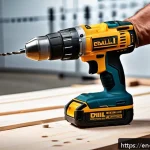
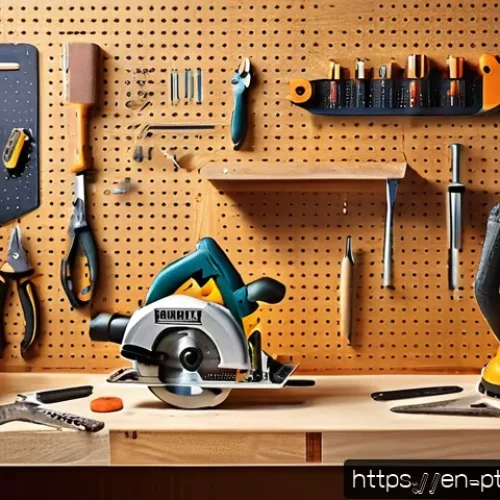
전동 공구 사용 후 보관법 - **Prompt:** A brightly lit, modern workshop interior, showcasing an impeccably organized vertical st...

Alright, DIY enthusiasts and pros alike, let’s talk shop! You’ve just finished a project, the sawdust has settled, and your power tools are finally getting a well-deserved rest.

But here’s the thing: how you tuck them in for the long haul makes a massive difference. From my own countless hours in the workshop, I’ve seen firsthand how good storage practices not only extend the life of your expensive equipment but also keep them performing like new, project after project.

Ready to protect your investment and keep your workspace effortlessly organized? Let’s explore the smartest ways to store your power tools!

Reclaiming Your Space: Mastering Vertical Storage Solutions

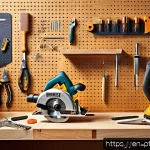
전동 공구 사용 후 보관법 - **Prompt:** A brightly lit, modern workshop interior, showcasing an impeccably organized vertical st...

When you’ve got a growing collection of power tools, whether you’re a weekend warrior or a seasoned pro, space quickly becomes the ultimate luxury. I’ve personally found that the moment I started thinking vertically, my workshop transformed from a chaotic mess into a highly efficient zone.

Forget about tools piled on benches or stuffed into dimly lit corners; we’re talking about clever wall mounts, pegboards that actually work, and shelving units that make every square inch count.

It’s not just about getting things off the floor; it’s about creating a system where every tool has its designated, easy-to-reach home. This approach not only prevents damage from accidental falls but also saves you countless minutes searching for that elusive drill bit or impact driver.

Trust me, I used to trip over my circular saw more times than I care to admit before I embraced the power of the wall. Investing a little time in setting up these vertical systems pays off big time in terms of efficiency and protecting your valuable gear.

The Pegboard Power Play: More Than Just Hooks

We all know the classic pegboard, right? But for years, I underestimated its true potential. It’s not just for flimsy hand tools anymore!

With heavy-duty hooks, specialized shelves, and custom-designed holders, a well-planned pegboard system can comfortably accommodate drills, angle grinders, and even smaller saws.

The beauty of it lies in its adaptability. As your tool collection grows or your workflow changes, you can reconfigure it in minutes. I actually designed a small section specifically for my most frequently used cordless tools, complete with battery chargers mounted right there, so everything is charged and ready to go.

It’s like having a dedicated command center for your most important handhelds, always visible and always within arm’s reach.

Shelving and Racking: Heavy-Duty Heroes

For larger, heavier items like miter saws, planers, or even stacks of spare lumber, robust shelving and racking systems are non-negotiable. I’ve seen too many wobbly DIY shelves collapse under the weight of serious tools, creating a dangerous and costly mess.

When I was setting up my current workshop, I invested in some industrial-grade steel shelving. It cost a bit more upfront, but the peace of mind knowing my expensive equipment is safely supported is priceless.

Plus, these systems often allow for custom heights, meaning you can tailor each shelf to the exact dimensions of your tools or storage bins. Using clear, labeled bins on these shelves for accessories, fasteners, and smaller parts means no more rummaging through opaque containers.

Battling the Elements: Protecting Your Tools from Nature’s Fury

Whether your workspace is a temperature-controlled garage, a drafty shed, or a corner of your basement, power tools face an array of environmental threats that can shorten their lifespan and compromise their performance.

Moisture, extreme temperatures, and even dust are silent assassins for sensitive electronics and precision mechanics. I’ve learned this the hard way after leaving a brand new orbital sander in a damp corner of my old shed only to find the bearings seized up a few months later – a costly mistake!

Proper storage isn’t just about tidiness; it’s about creating a protective microclimate for your investments. Thinking about the local climate, especially in humid regions or areas with drastic seasonal temperature swings, becomes a crucial part of your storage strategy.

It’s not just about the tools themselves, but also about the accessories like drill bits and saw blades which can rust and dull if not properly cared for.

Humidity Hijack: Keeping Moisture at Bay

Humidity is probably the biggest enemy of power tools. It can lead to rust on metal components, degrade internal wiring, and even affect battery performance.

If you’re in a high-humidity area, or if your workshop isn’t perfectly sealed, you’ve got to be proactive. I’ve found that simple desiccants like silica gel packets, strategically placed in toolboxes or storage cabinets, make a huge difference.

For more expensive or sensitive tools, a dehumidifier in the workshop can be a game-changer. I even have a small fan running occasionally in my main storage cabinet just to keep the air circulating.

It’s a minor effort, but it dramatically extends the life of my tools and keeps them looking and performing like new, preventing those frustrating moments when a tool just won’t work because of moisture damage.

Temperature Extremes: The Silent Killer

Just as problematic as humidity are extreme temperature fluctuations. Leaving tools in an unheated garage during a harsh winter can cause plastics to become brittle, lubricants to thicken, and batteries to lose their charge capacity prematurely.

Conversely, scorching summer heat can degrade internal components and warp tool bodies. My rule of thumb is this: if I wouldn’t be comfortable staying in that environment for an extended period, my tools probably aren’t either.

For me, this meant insulating my garage door and adding a small space heater for the coldest months. While I don’t keep it at living temperature, maintaining a more stable environment, especially for my cordless tools and their sensitive batteries, has been key to their longevity and consistent performance.

Advertisement

The Digital Age of Organization: Tracking Your Tools with Tech

In today’s fast-paced world, even tool organization has gotten a tech upgrade. Gone are the days of frantically searching for that specific attachment or wondering if you lent your impact driver to a friend last month.

Leveraging simple digital tools can elevate your workshop management from functional to flawlessly efficient. I started experimenting with this a few years back when I realized I was constantly buying duplicate items because I couldn’t find the originals.

It wasn’t just the monetary waste; it was the sheer frustration. Now, whether it’s a dedicated app or just a well-maintained spreadsheet, a digital inventory system offers an unparalleled level of control and insight into your collection.

It helps you keep track of purchases, warranties, and even maintenance schedules, turning guesswork into precise knowledge.

Inventory Apps: Your Personal Tool Librarian

There’s a growing number of inventory management apps specifically designed for tools and equipment. Many of these allow you to snap a photo, add details like brand, model number, purchase date, and even where it’s stored.

I’ve been using one for about a year now, and it’s been an absolute lifesaver. When I’m planning a new project, I can quickly check if I have a particular tool or accessory without even stepping foot in the workshop.

Some apps even integrate with barcode scanners, making the initial setup a breeze. It’s like having a personal librarian for your tools, always ready to tell you where everything is and what you own, preventing those frustrating “do I have that?” moments.

Digital Maintenance Logs: Keeping Tools in Peak Condition

Beyond just knowing where your tools are, digital tracking can help you manage their health. I’ve started logging basic maintenance tasks, like when I last cleaned my router or replaced the brushes on my circular saw, right within my inventory app.

This simple habit ensures that my tools get the care they need on a consistent basis, preventing unexpected breakdowns in the middle of a critical project.

It’s a bit like taking your car in for regular oil changes; a little preventative maintenance goes a long way in extending the life and reliability of your equipment.

It gives you a clear history of each tool’s life, which is invaluable if you ever need to troubleshoot an issue or even when considering an upgrade.

Mobility Matters: Storing Tools for On-the-Go Projects

Not every project happens in the comfort of your perfectly organized workshop. For those times you’re heading to a job site, helping a friend, or tackling outdoor tasks, having your power tools stored in a way that prioritizes mobility and protection is absolutely essential.

I’ve been on countless trips where I’ve arrived only to find a crucial bit missing or a delicate component damaged because I just tossed everything into a generic bag.

It’s not just about convenience; it’s about making sure your tools arrive safely and are ready to perform as soon as you are. Investing in proper mobile storage solutions pays dividends in preventing damage, saving time, and presenting a professional image, whether you’re a pro or just a very prepared DIYer.

System Boxes and Rolling Carts: The Mobile Command Center

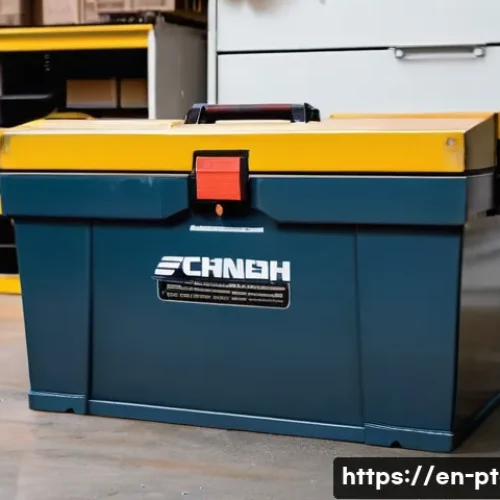
For me, a modular system of interlocking toolboxes has been a revelation. Brands like DeWalt, Milwaukee, and Festool offer integrated systems where different cases can stack and lock together, often with a rolling base.

This means I can grab just the specific tools I need for a task, or roll an entire workstation out to my truck. It keeps everything organized even when it’s in transit, and I don’t have to worry about individual tools bouncing around or getting lost.

I used to rely on various random bags and buckets, but the difference in efficiency and tool protection with a proper system is night and day. It saves wear and tear on your body too, eliminating multiple trips back and forth.

Dedicated Cases for Sensitive Tools: Custom-Fit Protection

Some power tools, especially those with delicate calibration or intricate components, warrant their own dedicated, hard-shell cases. Think laser levels, precision measuring devices, or high-end cordless drills.

These cases, often custom-fitted with foam inserts, provide superior protection against impacts, dust, and moisture during transport. I learned this after a close call with my router in a soft bag – one hard bump could have thrown off its calibration.

Now, any tool that falls into this “precision instrument” category gets its own robust home. It’s a small investment to protect equipment that would be expensive and time-consuming to replace or repair, ensuring they maintain their accuracy and reliability.

Advertisement

Keeping Your Blades Sharp and Bits Bright: Specialized Storage for Accessories

Power tools are only as good as their accessories, right? Dull blades, rusted bits, or misplaced sanding discs can bring even the most well-equipped workshop to a screeching halt.

Yet, too often, these vital components are relegated to a dusty drawer or a forgotten bucket. From my personal experience, treating your accessories with the same respect as your main tools is a game-changer for efficiency and performance.

A sharp saw blade not only cuts better and faster but also puts less strain on your saw’s motor. Organized and well-maintained accessories mean you’re always ready for the next cut, drill, or sand, without a frustrating hunt through piles of mixed-up hardware.

Organizing Drill Bits and Drivers: The Mini Arsenal

Drill bits and driver bits are notorious for getting lost or mixed up. There’s nothing more frustrating than needing a specific size and having to dig through a tangled mess.

I’ve found that dedicated bit cases, especially those with clearly labeled slots, are invaluable. For my most frequently used bits, I even have a small magnetic strip mounted near my drill press where I can quickly grab and return them.

It’s all about creating systems that make it easier to put things away than to leave them out. This prevents them from dulling prematurely, ensures you always find the right size, and keeps them from disappearing into the abyss of the workshop floor.

Blade and Disc Storage: Sharp and Safe

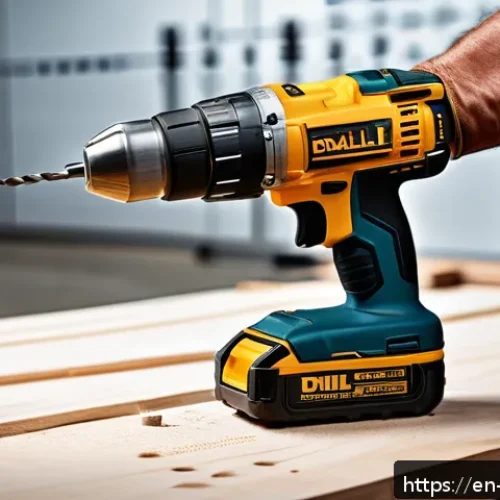
전동 공구 사용 후 보관법 - **Prompt:** A dedicated and efficient power tool charging station in a well-maintained garage. Multi...

Saw blades, router bits, and abrasive discs require careful handling to maintain their sharpness and prevent injury. Never just toss them into a drawer!

For saw blades, dedicated wall-mounted racks or plastic sleeves are perfect, keeping the teeth protected and preventing accidental cuts. Router bits often come in their own wooden or plastic cases, which are ideal for keeping them organized and their delicate carbide tips safe.

For sanding discs, a simple clear plastic organizer or even a labeled binder with plastic sleeves can keep different grits separate and easily accessible.

This not only prolongs the life of these consumables but also makes your workspace safer.

Powering Down Right: Battery Care and Charger Hubs

In the world of cordless power tools, the batteries are the lifeblood of your operation. How you store, charge, and maintain them directly impacts their lifespan, performance, and overall value of your entire cordless system.

I’ve gone through my fair share of dead batteries that just wouldn’t hold a charge anymore, and almost every time, it boiled down to poor storage or charging habits.

Treating your batteries with a bit of care isn’t just about saving money on replacements; it’s about ensuring your tools are always ready to go when inspiration strikes, preventing those maddening moments when a project grinds to a halt because of a drained or faulty battery.

Creating a Dedicated Charging Station: The Power Hub

One of the best organizational moves I ever made was creating a dedicated charging station. Instead of having chargers scattered across different workbenches, I consolidated them all into one central location.

This spot is usually near an outlet, well-ventilated, and away from flammable materials. I even built a small shelf unit with individual slots for each charger and a power strip.

This ensures all my batteries are charged systematically, and I can quickly see which ones are ready to go. It eliminates the “where’s that charger?” scramble and significantly extends battery life by preventing overcharging or being left completely drained for extended periods.

Battery Storage: The Cool and Dry Rule

When it comes to storing the batteries themselves, a cool, dry place is paramount. Avoid extreme temperatures – leaving them in a scorching hot car or an unheated garage during winter is a recipe for disaster.

I store my extra batteries in a dedicated drawer in my workbench, away from direct sunlight and fluctuating temperatures. It’s also a good practice to store them at a partial charge (around 40-60%) if they’re going to be idle for a long time, rather than fully charged or completely depleted.

This small habit, which I picked up after researching battery chemistry, has significantly prolonged the life of my expensive lithium-ion packs.

Advertisement

The Unsung Heroes: Simple Habits for Long-Term Tool Health

Beyond fancy storage solutions and high-tech tracking, there are some fundamental, almost old-fashioned, habits that truly underpin long-term tool health and an organized workshop.

These are the little things that, when done consistently, make a massive difference. I’ve seen countless pros and seasoned DIYers who swear by these routines, and after years of trial and error, I’m a firm believer too.

It’s not glamorous, but it’s effective. These practices don’t just keep your tools in good shape; they also make your entire woodworking or repair process smoother and more enjoyable, cutting down on frustration and unexpected hiccups.

Cleanliness is Next to Tool-liness: A Post-Project Ritual

This is probably the simplest yet most overlooked habit: clean your tools after every use. Sawdust, metal shavings, and grime can slowly but surely degrade moving parts, clog ventilation, and shorten motor life.

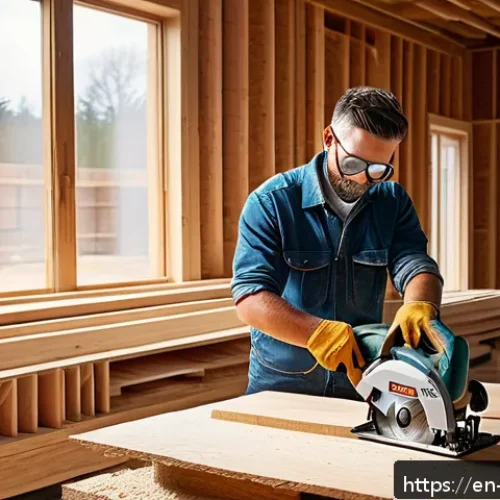
After I finish a project, before putting any tool away, I take a moment to wipe it down with a damp cloth or compressed air. For tools that generate a lot of dust, like my orbital sander or track saw, I make sure to empty the dust bag or canister.

It sounds basic, but trust me, I’ve opened up tools before to find them caked in ancient dust, and it’s never a good sign. A clean tool is a happy tool, and it performs better too!

Regular Inspections: Catching Issues Before They Grow

Before putting a tool away, or even before starting a new project, take a few seconds to give it a quick visual inspection. Check the cords for fraying, look for loose screws, ensure guards are in place, and listen for any unusual noises.

This quick once-over can help you catch minor issues before they become major, costly problems. I once caught a slightly bent saw blade during a routine inspection that could have led to a dangerous kickback.

It’s like a mini health check for your equipment, and it’s saved me from potential accidents and expensive repairs on more than one occasion.

Ergonomics and Accessibility: Making Your Tools Work for You

When we talk about tool storage, it’s not just about cramming everything into a corner; it’s about creating a system that works *for* you. An organized workspace should enhance your productivity and reduce fatigue, not add to your frustration.

I used to think the only goal was simply getting things off the floor, but over time, I’ve realized that the *placement* of tools dramatically impacts my workflow and even my comfort during long projects.

It’s about creating an intuitive environment where the tools you use most often are the easiest to grab, and those you rarely touch are safely tucked away, yet still accessible.

Advertisement

The Zone Think about your workshop in “zones.” Your primary workbench or assembly area should have your most frequently used hand tools and a few essential power tools within arm’s reach. Your cutting station should have all your saws, guides, and measuring tools nearby. This “zone system” minimizes walking, bending, and reaching, saving you precious time and energy. I spent a weekend just observing my own movements in the workshop, and it was eye-opening how much wasted motion I had. Reorganizing based on these observations, placing tools closest to where they’re actually used, made a dramatic difference in my efficiency and reduced that end-of-day exhaustion.

Safety First: Accessible Emergency Shut-Offs and PPE

While not directly tool storage, the accessibility of safety equipment and emergency shut-offs is a critical part of an ergonomic and safe workshop setup. Make sure your eye protection, ear defenders, and dust masks are always within easy reach, perhaps on a hook near the entrance or your main workbench. Similarly, know where the main power cut-off for your workshop is, and ensure it’s unobstructed. This is a non-negotiable for me. I’ve seen enough close calls to know that quick access to safety gear and power controls can prevent serious accidents. It’s peace of mind, knowing that in an emergency, you can react instantly without fumbling around.

Storage Solution Type Best For Key Benefits Considerations
Wall-Mounted Pegboards/Panels Handheld cordless tools, small accessories, frequently used items Maximizes vertical space, highly customizable, tools always visible Requires sturdy wall, may look cluttered if not organized well
Heavy-Duty Shelving Units Larger power tools (miter saws, planers), heavy items, material storage Robust support for heavy loads, adjustable heights, versatile Takes up floor space, can be expensive, requires assembly
Tool Chests/Cabinets Sensitive tools, small parts, valuable items requiring security Protects from dust/damage, lockable for security, organized drawers Can be heavy/immobile, limited for larger tools, typically higher cost
Modular Toolboxes/System Cases Mobile projects, transporting tools, organizing by task Excellent for mobility, interlocking designs, robust protection Can be bulky, initial investment can be high for a full system
Custom DIY Solutions Specialized tools, unique spaces, specific workflow needs Tailored to exact requirements, cost-effective for skilled DIYers Time-consuming to build, requires planning and craftsmanship

Wrapping Things Up

Whew! We’ve covered a lot, haven’t we? It’s truly incredible what a difference a thoughtful approach to tool storage can make, transforming not just your workspace but your entire workflow. From the smallest drill bit to the mightiest miter saw, every tool deserves a safe, accessible home. Investing this time upfront dramatically cuts down on frustration, saves you money on replacements, and makes every project, big or small, so much more enjoyable. Trust me, embracing these habits isn’t just about tidiness; it’s about respect for your craft and your valuable gear. Go ahead, take a fresh look at your space, and start making those small changes that lead to big results – you’ll thank yourself later!

Good-to-Know Info

1. Don’t underestimate the power of good lighting. A well-lit workshop isn’t just about safety; it drastically improves your ability to find tools, read measurements, and work with precision. I added LED strip lights under my shelving units, and it’s made a world of difference. It reduces eye strain and helps you spot that tiny fastener you dropped, saving time and a lot of headaches.

2. Consider a “project box” or “project bin” for ongoing tasks. When you’re tackling a specific build or repair, gather all the necessary tools, fasteners, and plans into one dedicated container. This prevents scattering tools across your main workbench and ensures everything is at hand when you return to the project, keeping your main workspace clear for other tasks. I picked up this tip from a seasoned carpenter, and it’s been a game-changer for my multi-day projects.

3. Always plan for growth. As your skills develop, your tool collection will too. When setting up new storage, try to incorporate some flexibility or leave a little room for expansion. Thinking a few steps ahead can save you the hassle of a complete reorganization down the line. I learned this when my cordless platform expanded rapidly; having that extra shelf space ready made the transition seamless.

4. Label, label, label! Whether it’s bins of screws, drawers of specialty bits, or charging stations, clear and consistent labeling is your best friend. It sounds so simple, but it dramatically cuts down on search time for you and anyone else who might be helping in your shop. I use a label maker religiously, and it’s one of the most effective organization tools I own, ensuring everything gets returned to its proper home.

5. Tap into the online community. There are countless forums, YouTube channels, and social media groups dedicated to workshop organization. Seeing how others tackle similar challenges can spark new ideas and provide solutions you might never have thought of. I often browse these communities for inspiration, and it’s a fantastic way to learn innovative hacks and connect with fellow enthusiasts, further refining your own setup.

Advertisement

Key Takeaways

At the heart of a truly productive and enjoyable workshop lies exceptional organization. Remember, it’s not just about neatness; it’s a strategic investment in the longevity of your tools and the efficiency of your projects. Embrace vertical storage to reclaim your space, meticulously protect your gear from the elements, and leverage digital tools to maintain a comprehensive inventory. Don’t forget the power of mobility for on-the-go tasks and dedicated storage for all those vital accessories that keep your projects flowing smoothly. Prioritize battery care for your cordless companions and adopt those unsung hero habits like cleaning and inspecting after every use. And always, always design your space with ergonomics and accessibility in mind, making safety a non-negotiable. By consistently applying these principles, you’re not just organizing tools; you’re building a more productive, safer, and ultimately more satisfying creative sanctuary where your passion can truly thrive without unnecessary friction or frustration. It’s about working smarter, not harder, and truly enjoying every moment in your perfectly ordered domain.

Frequently Asked Questions (FAQ) 📖

Q: What’s the absolute best way to protect my power tools from rust, dust, and general wear and tear, especially if my workshop isn’t climate-controlled?

A: Oh, this is a question I get all the time, and for good reason! I’ve seen too many good tools bite the dust (literally!) because of improper storage. From my own experience, the biggest enemies are humidity and dust.
If your workshop isn’t perfectly climate-controlled, don’t sweat it too much – mine certainly isn’t always ideal! The first thing I always recommend is investing in quality tool cases or dedicated storage cabinets that seal well.
Those cheap plastic cases that come with some tools? They’re okay for transport, but for long-term storage, you need something sturdier. Hard cases, especially those with foam inserts, are fantastic because they keep dust out and offer physical protection.
For rust, I swear by a good silica gel packet or two inside each case, especially for tools with exposed metal parts like saw blades or router bits. You can grab these online for a few bucks, and they absorb moisture like a champ.
Also, a quick wipe-down after each use, removing all the sawdust and grime, goes a long way. It’s a small ritual, but trust me, your tools will thank you by staying sharp and rust-free for years.

Q: My garage is a chaotic mess, and I can never find the right power tool when I need it! What are some smart, space-saving storage solutions that also make my tools easily accessible?

A: Tell me about it! We’ve all been there, rummaging through a pile of tools when all you need is that one specific drill. It’s not just annoying; it eats up valuable project time.
After years of trying everything from overflowing toolboxes to makeshift shelves, I’ve found a few game-changers. Wall-mounted solutions are your best friend here.
Think pegboards or French cleat systems. I personally love French cleats because they’re super customizable, letting you hang individual tool holders for drills, circular saws, and even battery chargers.
It keeps them off the floor, visible, and instantly accessible. Another brilliant idea, especially for larger tools or those you move around a lot, is a mobile tool cart with drawers.
You can tuck it away when not in use and roll it right up to your project. Labeling everything is also non-negotiable. Seriously, a simple label on a drawer or a clear outline on a pegboard helps immensely.
It might seem like a small detail, but I’ve noticed it dramatically cuts down on my “where did I put that?” moments and keeps my workflow smooth.

Q: Is there a specific way I should be storing my power tool batteries? I’ve heard different things about temperature and charge levels, and I want to make sure they last as long as possible.

A: Ah, the unsung heroes of our cordless arsenals – batteries! This is super important because how you treat your batteries directly impacts their lifespan and performance.
From my own adventures (and misadventures) with power tools, I’ve learned that proper battery storage is key. First off, never store them fully charged or completely depleted for extended periods.
Most manufacturers recommend storing them at about a 40-50% charge. This seems to be the sweet spot that prevents unnecessary stress on the cells. Secondly, temperature is a big deal.
Extreme heat or cold can really degrade a battery quickly. I always make sure to keep mine in a cool, dry place – away from direct sunlight, the heat of a furnace, or a freezing garage corner.
A dedicated drawer in your workbench or a small cabinet works perfectly. And here’s a little trick I picked up: store them separately from the tools themselves.
This prevents accidental discharge and makes it easier to keep track of their charge status. Trust me, treating your batteries right will save you a ton of money in replacements down the line, and you’ll always have power when you need it!